Short Sad Stories
Play Short Sad Stories
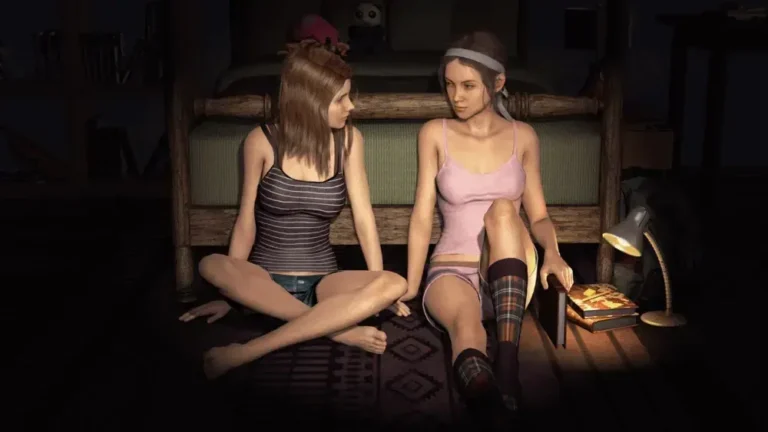
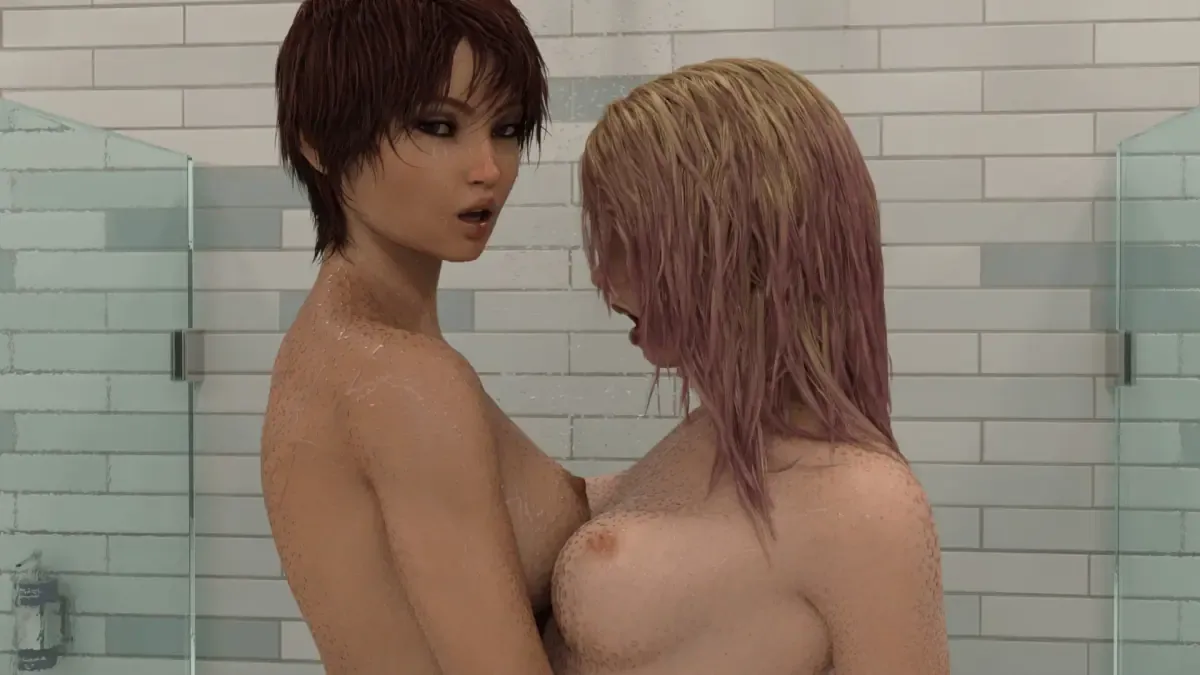
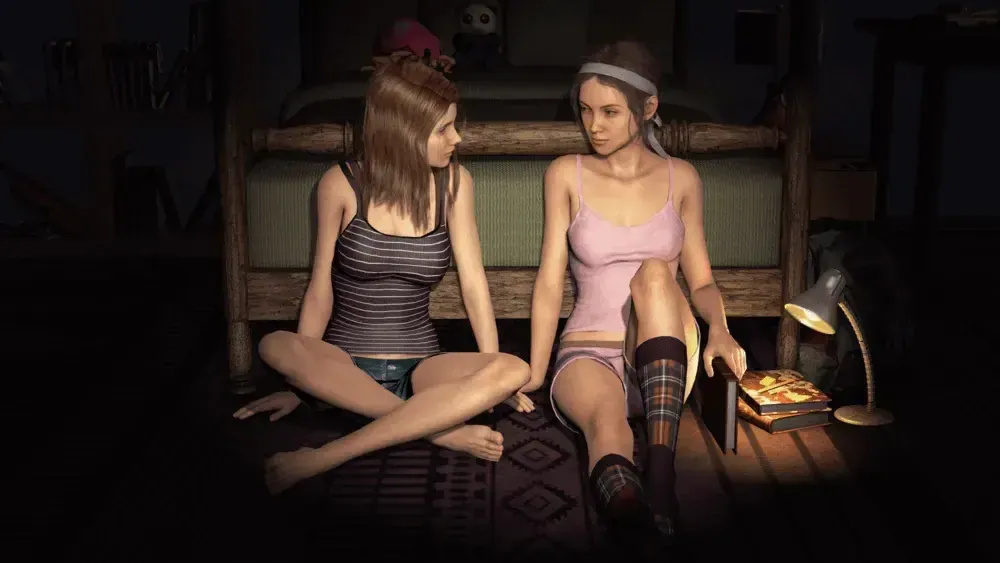
Short Sad Stories Screenshots
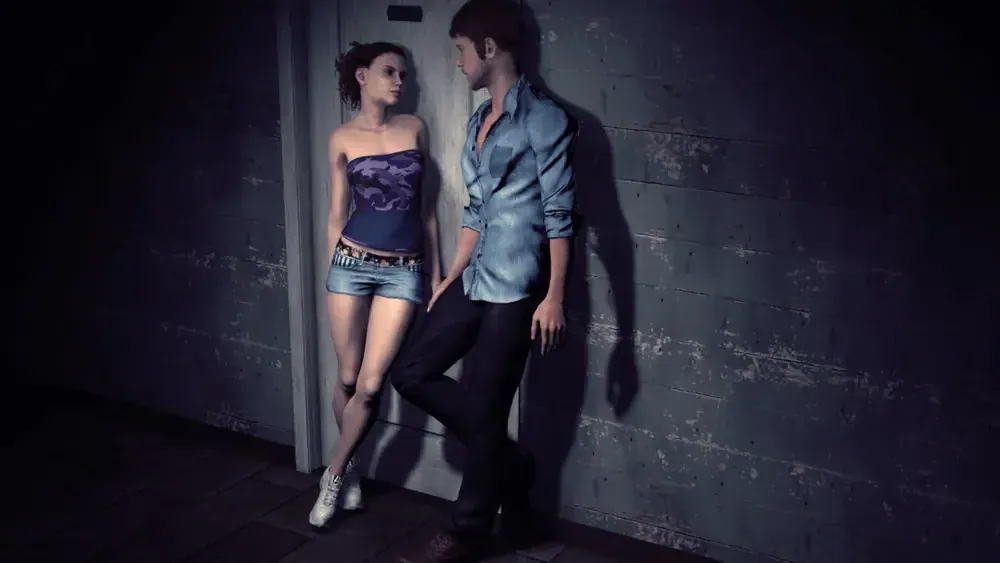
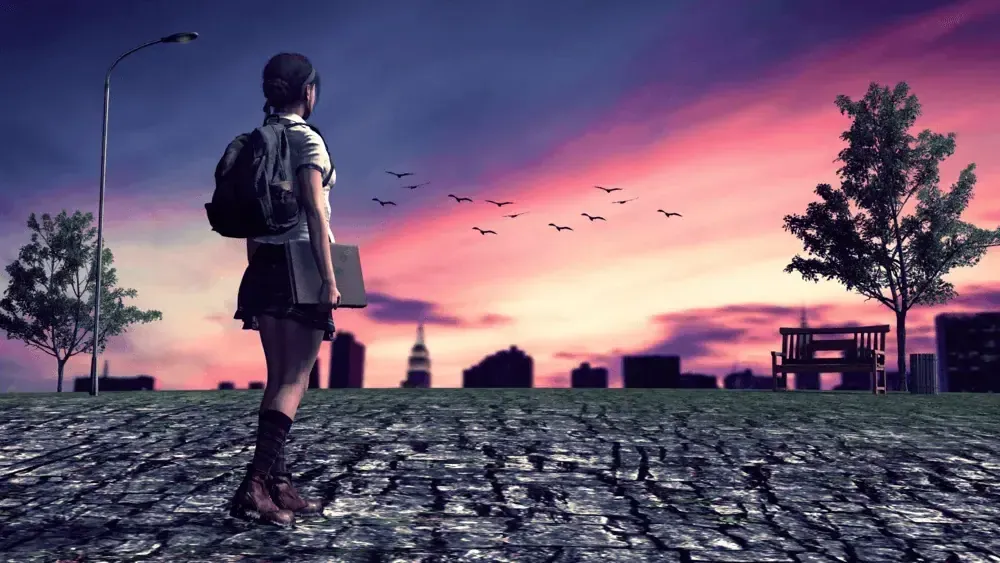
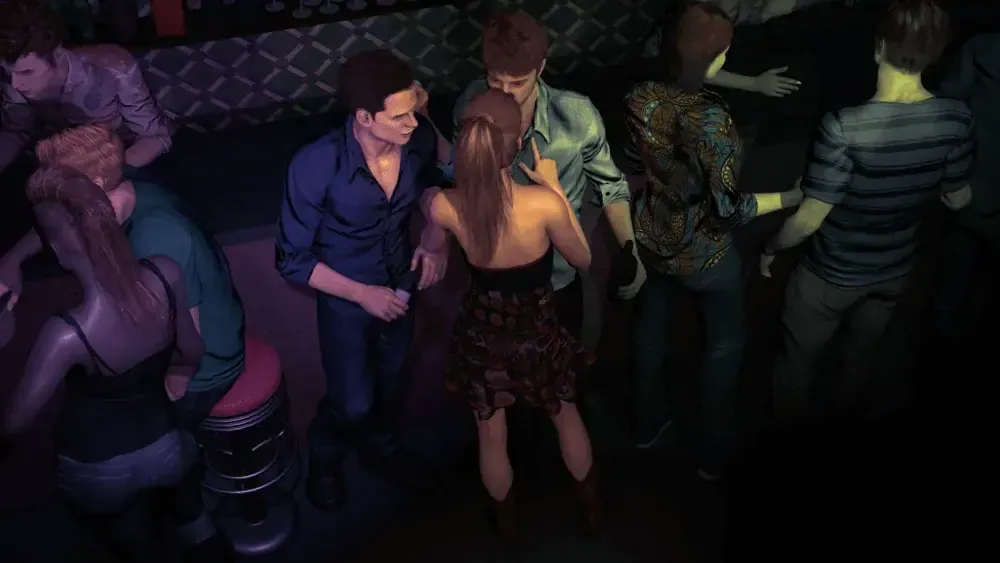
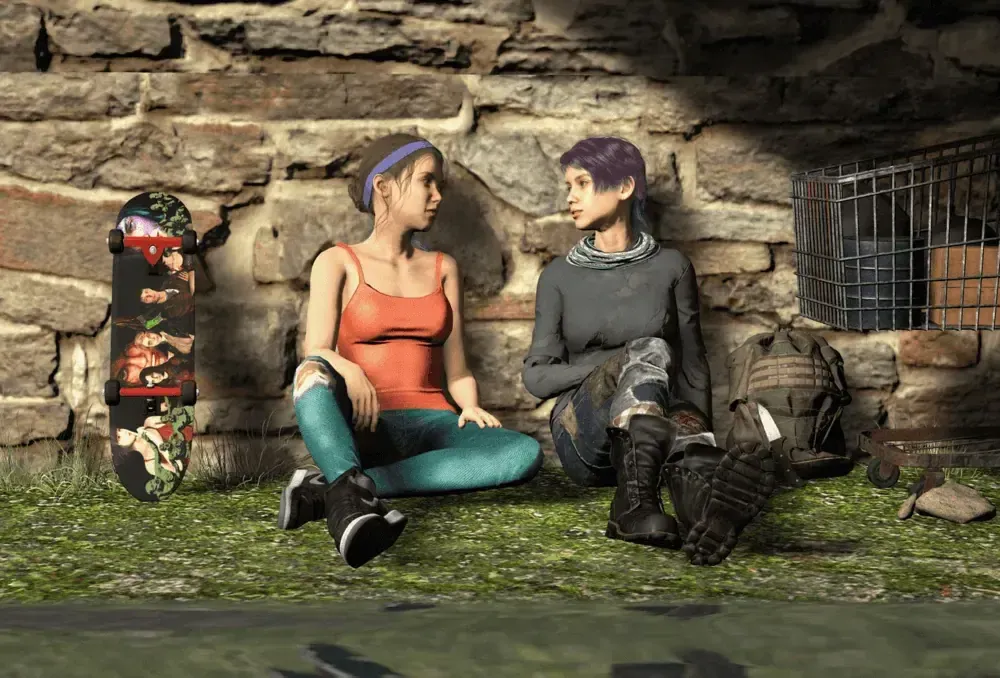
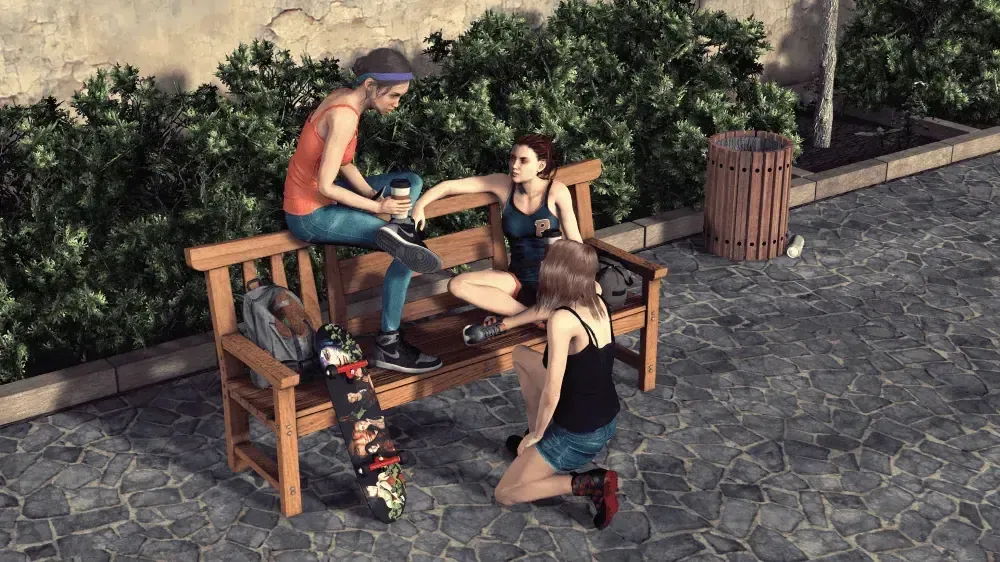
Short Sad Stories review
Dive into heartfelt narratives, choices, and maturity in Pent Panda’s poignant game
Imagine stepping into a world where every choice tugs at your heartstrings, not to change fate, but to deepen your connection to it. That’s the magic of Short Sad Stories, the captivating visual novel by Pent Panda. Follow Alice, a dreamy girl blurring reality and fantasy, alongside young adults facing dilemmas, shadows, and secrets in a bustling city. This final version with DLC blends interactive storytelling with inevitable poignancy, offering a journey of overcoming and hope. I’ve replayed it multiple times, each path leaving me reflective—ready to explore why this game lingers long after the credits roll?
What Makes Short Sad Stories Gameplay So Unforgettably Moving?
I remember the exact moment Short Sad Stories hooked me. It wasn’t a dramatic confession or a shocking twist. It was a simple prompt, early in Alice’s story, asking me to place a photograph in her new apartment. I dragged the image to a bare spot on the wall, and the game simply said, “There. A piece of home.” A wave of quiet, profound loneliness washed over me. In that tiny action, this narrative driven visual novel from Pent Panda captured the entire essence of moving to a big city—carrying fragments of your past into an uncertain future. That’s the magic of Short Sad Stories gameplay; it finds monumental feelings in the smallest, most personal interactions. 😔✨
If you’re looking for a power fantasy, you won’t find it here. Instead, you step into the worn-out shoes of young adults navigating a bustling, often overwhelming city. Their lives are a tapestry of unexpected confrontations, quiet misfortunes, and the slow, sometimes painful, journey toward maturity. This emotional storytelling game asks you not to conquer, but to understand; not to win, but to feel.
Unpacking the Core Narrative and Alice’s Dreamy World
At the heart of this experience is Alice, and her storyline, Alice Short Sad Stories, is a masterclass in blurred reality. Alice doesn’t just live in the city; she retreats into a rich, internal dreamscape. One moment you’re navigating a tense conversation in a cramped café, and the next, you’re wandering through a surreal, symbolic forest representing her anxieties. This constant shift isn’t confusing—it’s illuminating.
The game uses this duality to explore themes that will resonate with anyone who’s ever felt adrift. You’ll meet the empty-handed hero, a character symbolizing effort that doesn’t lead to traditional success. You’ll grapple with an open secret, a truth everyone feels but no one dares to voice. And you’ll encounter a shadowy friend, a manifestation of memory or regret that lingers just out of focus. Short Sad Stories weaves these archetypes into its city life, making the familiar streets feel both real and mythic.
To get the most from this Short Sad Stories visual novel, engage with everything. Click on that dusty bookshelf, examine the postcards on the fridge, re-read old text messages. These aren’t just set decorations; they’re emotional clues, fragments of memory that add layers of context and heartache to the main narrative.
| Core Theme | How It Manifests in Gameplay |
|---|---|
| Hope Amid Struggle | Finding small, beautiful moments (a shared smile, a good cup of coffee) during periods of deep personal difficulty. |
| The Blur of Reality & Fantasy | Alice’s dream sequences that visually interpret her emotional state, making feelings tangible. |
| Maturity Through Acceptance | Choices that often lead to understanding a situation better, rather than changing it. |
| The Weight of Memory | Interactive flashbacks and mementos that players must actively engage with to piece together history. |
How Player Choices Redefine Emotional Agency
This is where Short Sad Stories gameplay truly innovates. Forget binary good/evil endings or romance checklists. The player choices in Short Sad Stories are subtler, more profound. They are tools for deepening understanding, not altering destiny. You might choose to confront a friend about their self-destructive behavior or stay silent. The plot may reach a similar point either way, but you will arrive there with a completely different emotional perspective. Your choice changes you, the player, more than it changes the game’s code.
Think of it like being an actor given improvisational freedom within a scripted play. You explore the emotional subtext. In one playthrough, I decided my character would be sarcastically defensive during an argument. In another, I chose weary resignation. The story beat played out, but the emotional resonance for me was worlds apart. This is the genius of Pent Panda’s design: it makes you complicit in the emotional outcome.
Actionable Tip: Save your game before major conversations. Not to “get the right ending,” but to go back and experience how a different emotional inflection paints the entire scene in a new light. It’s revelatory.
To navigate this unique system, here are key mechanics and their emotional impacts:
* Dialogue Selection: Less about what you say, more about how you feel while saying it. Shapes your empathy (or frustration) with other characters.
* Memory Interaction: Triggering and exploring flashbacks. These don’t just explain the past; they make you relive its emotional weight.
* Environmental Exploration: Clicking on objects to hear a character’s internal monologue. This builds intimacy and reveals hidden depths of their personality.
* Symbolic Action: Like placing the photograph. Small, wordless interactions that carry the heaviest emotional payload.
* Pacing Control: You can sit with a silent moment or rush through it. The game often lets you sit in the discomfort, which is a choice in itself.
Exploring Relationships and City Life Dilemmas
The city in Short Sad Stories is more than a backdrop; it’s a character—a relentless, humming entity that offers both dizzying opportunity and crushing isolation. The narrative driven visual novel format excels here, letting you feel the push-and-pull through its characters’ relationships.
You’ll navigate friendships strained by envy, where one person’s success feels like another’s failure. You’ll manage awkward, budding romances that falter not from malice, but from poor timing and personal baggage. You’ll face professional dilemmas that pit passion against security. The game brilliantly captures how in a city of millions, you can still feel utterly responsible for the few people in your orbit.
Let me share a mini case study from my playthrough. I reached a branch with a character facing a family crisis. One path let me offer pragmatic, logistical help (research, making calls). The other had me simply sit with them in silence, offering presence over solutions. The “helpful” path made me feel useful but left the character feeling patronized. The “quiet” path felt awkward initially but led to a moment of raw, shared vulnerability that strengthened our bond. The game didn’t judge either choice; it just showed the different types of weight they carried.
This is the ultimate maturity journey Short Sad Stories proposes: learning that connection isn’t about fixing, but about witnessing. That growing up sometimes means holding someone’s hand through a storm you can’t stop.
So, dive into this poignant Short Sad Stories visual novel with an open heart. Talk to everyone. Linger in the empty spaces. Let the player choices in Short Sad Stories guide your emotional exploration rather than your pursuit of an ending. Short Sad Stories Pent Panda has crafted something special—a game that sits with you long after you’ve put down the controller, reminding you of the quiet, sad, beautiful struggle of being human.
“The night is always darkest just before the stars remember how to shine. We just have to look up.”
Short Sad Stories isn’t just a game—it’s an emotional companion that reshapes how you view choices and loss. From Alice’s fantastical struggles to the city’s raw dilemmas, Pent Panda crafts a visual novel that invites you to feel deeply and grow. My own sessions left me pondering real-life parallels, turning playtime into personal insight. If you’re craving meaningful interactivity over triumphs, download the final version with DLC today. Dive in, let the stories change you, and share your most poignant moment in the comments—what path broke your heart the most?