The Sin Within
Play The Sin Within
The Sin Within Screenshots
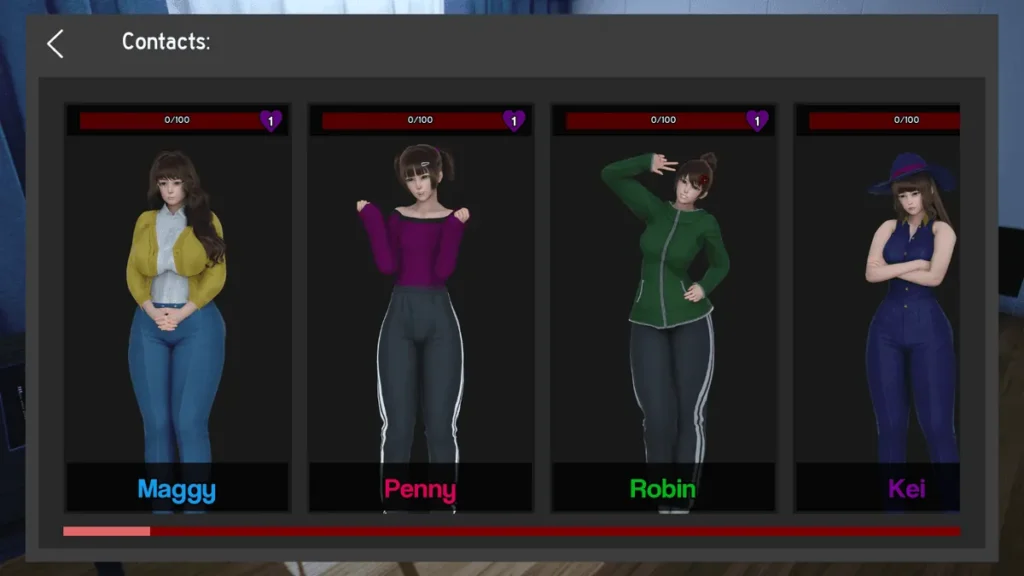
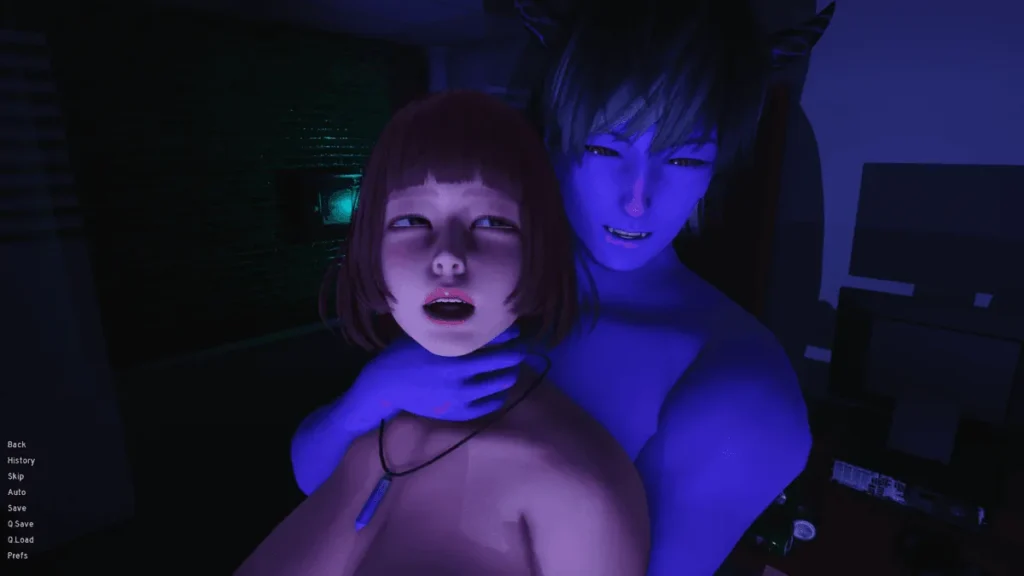
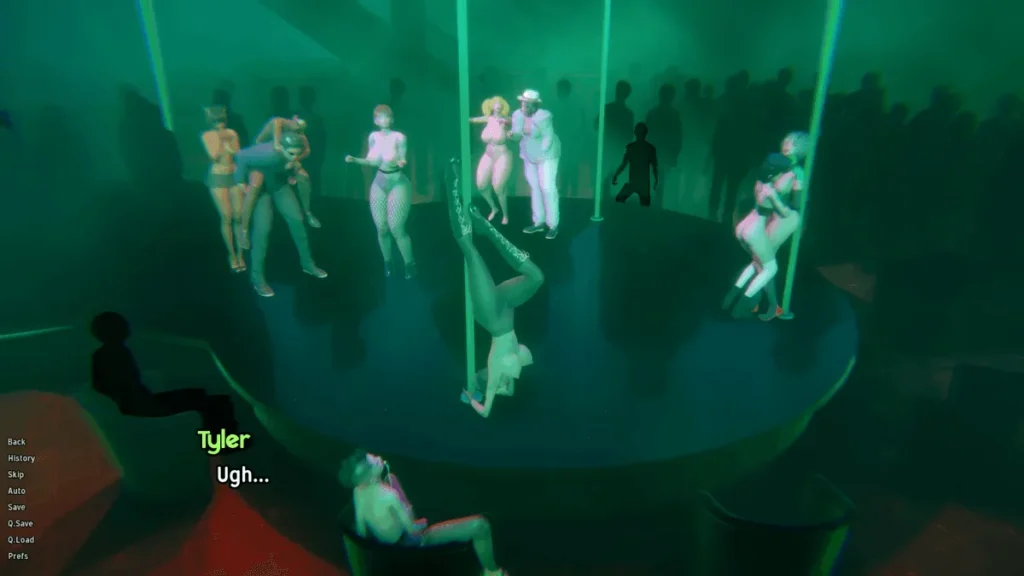
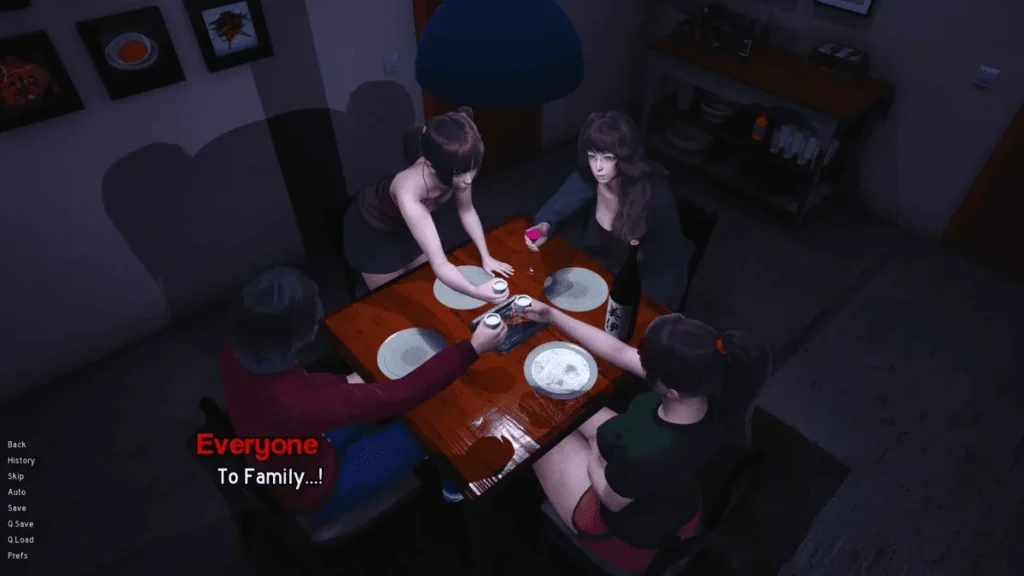
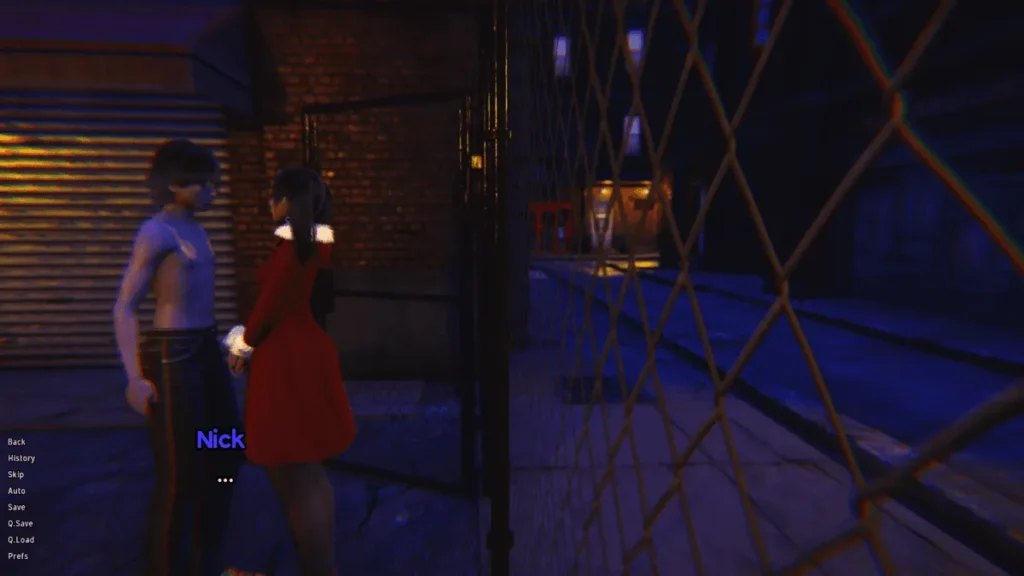
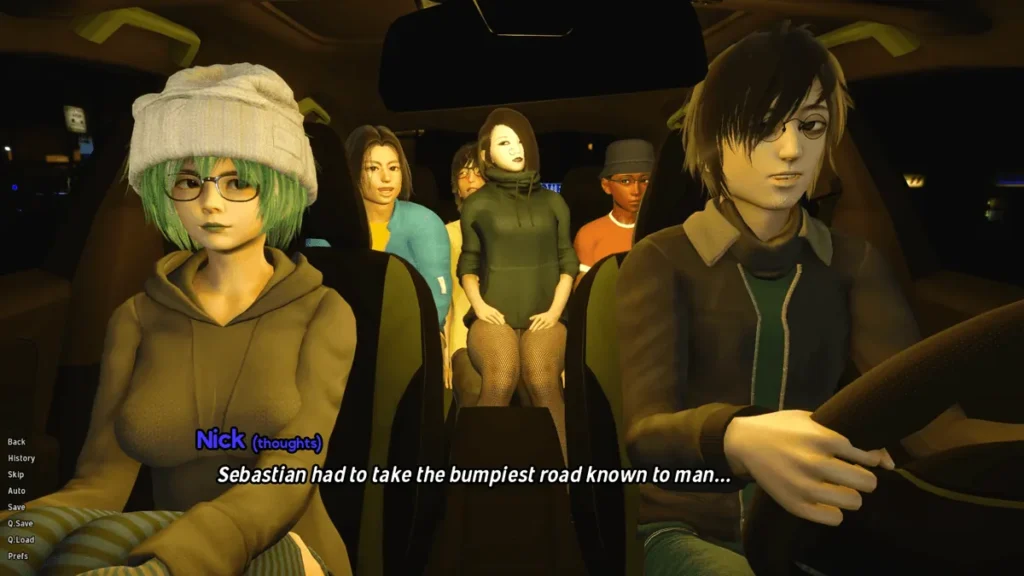
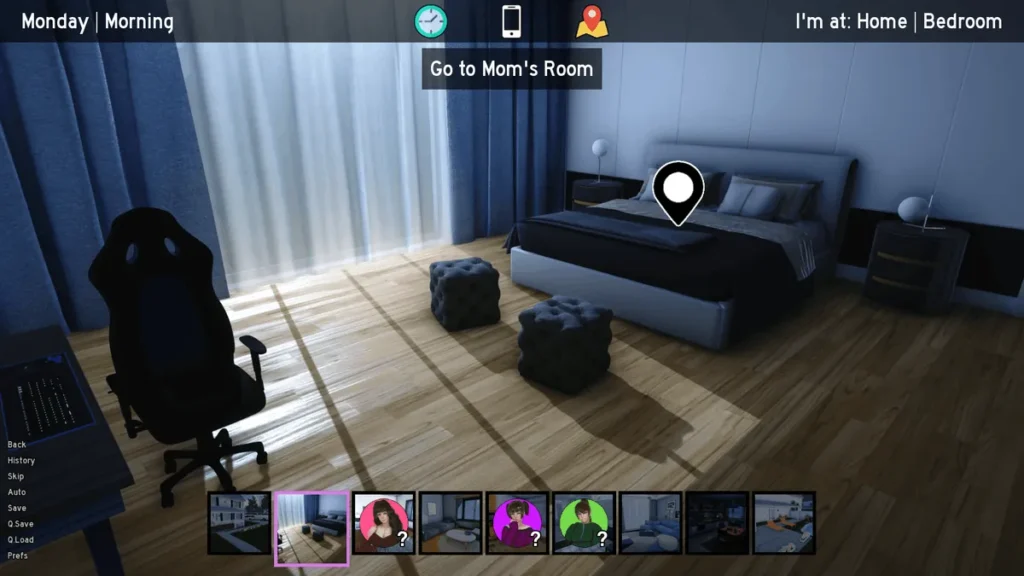
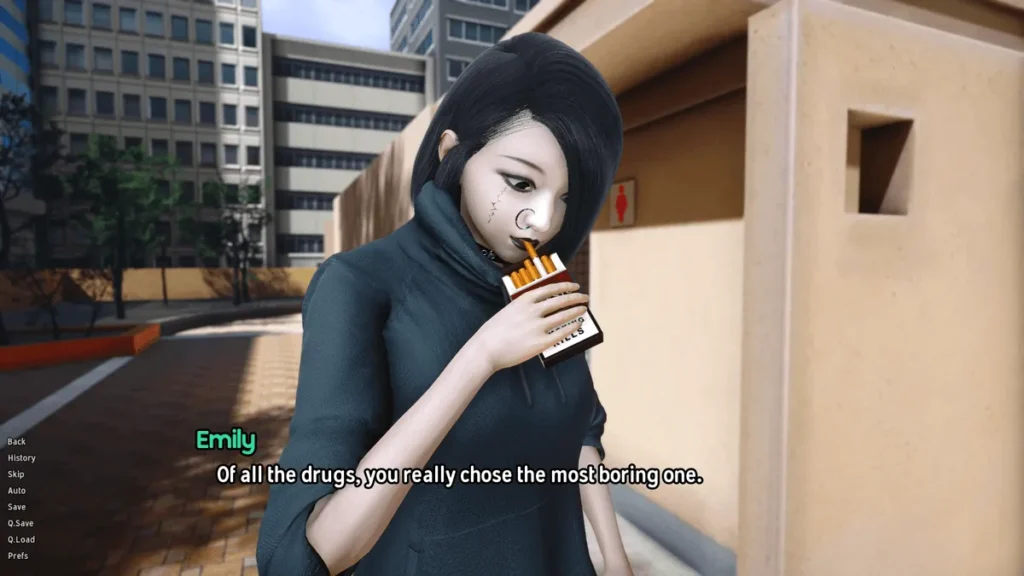
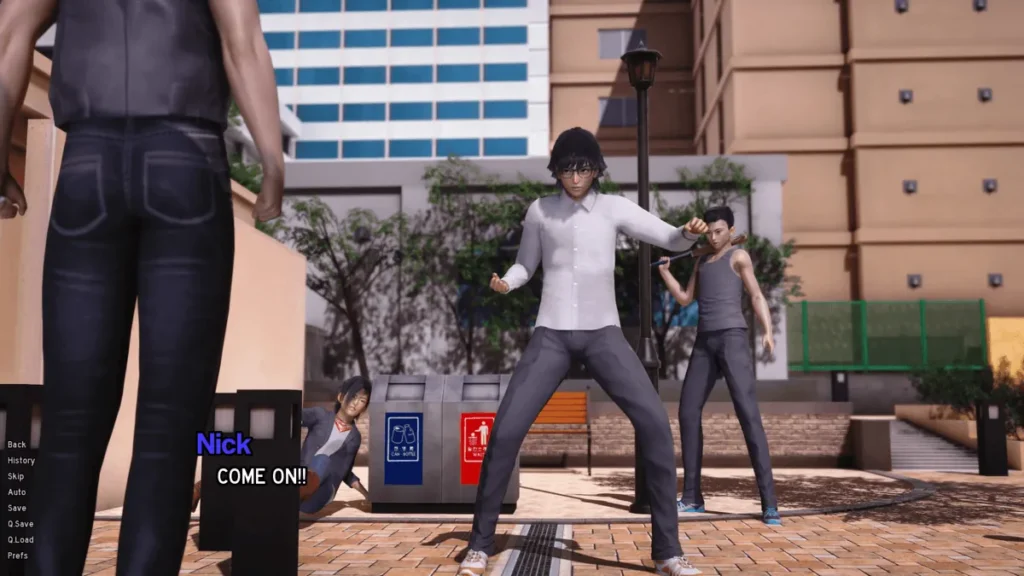
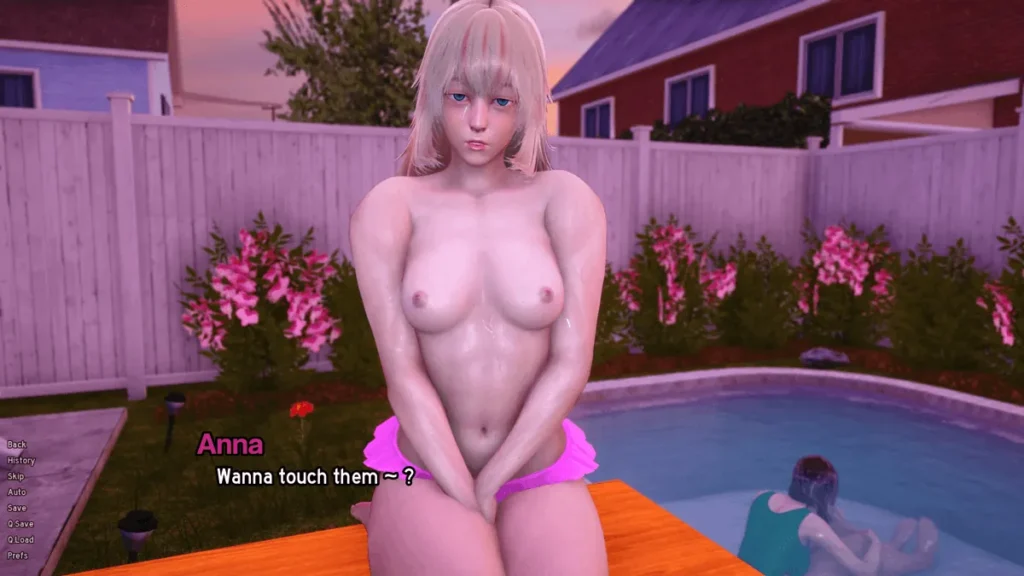
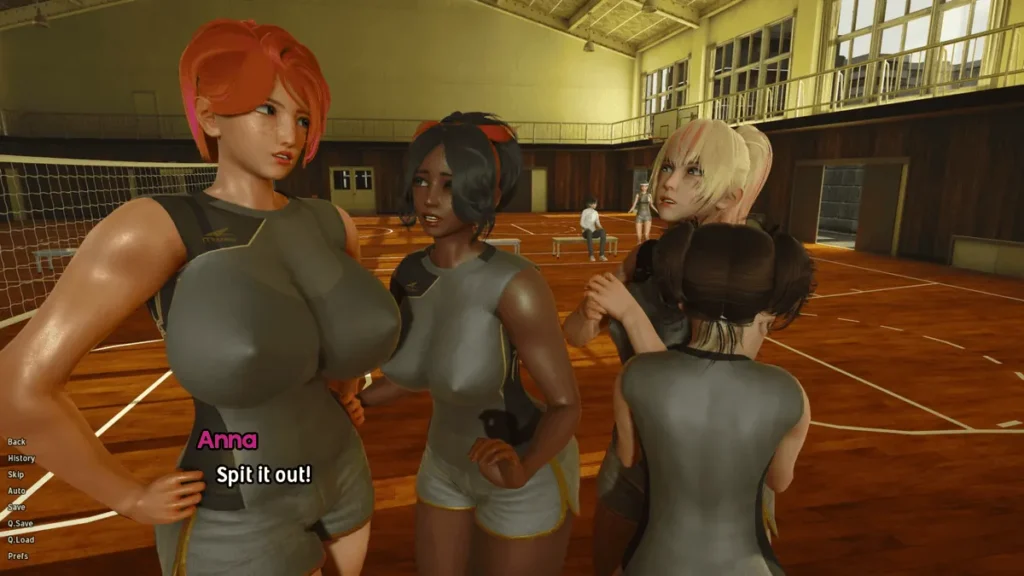
The Sin Within review
Uncover the gripping story and intense thrills of this adult psychological horror game
Ever stepped into a game that digs deep into your mind, forcing you to confront shadows you’d rather ignore? That’s The Sin Within for you—a narrative-driven psychological horror gem packed with adult game themes that hit hard. I remember my first playthrough; returning to that fractured childhood home as the protagonist, piecing together repressed trauma through surreal visions, left me unsettled for days. This isn’t your typical scare fest; it’s a personal journey through guilt, moral ambiguity, and taboo subjects like psychological abuse and suggestive encounters. If you’re drawn to games that blend storytelling with emotional rawness, stick around as we explore what makes The Sin Within so captivating and controversial.
What Makes The Sin Within a Must-Play Horror Experience?
I still remember the night I got properly sucked into The Sin Within game. It was past 2 AM, the house was silent, and I was just going to play for “one more scene.” Two hours later, my heart was pounding, and I had to physically put the controller down to process what I’d just witnessed. It wasn’t a jump scare that did it—it was the slow, chilling realization of a story detail that recontextualized everything. That’s the power of this psychological horror experience. It doesn’t just startle you; it gets under your skin and lives in your head, asking uncomfortable questions long after you’ve stopped playing.
So, what is The Sin Within about? At its core, you play as someone compelled to return to their crumbling childhood home, a place saturated with guilt and half-remembered pain. The goal isn’t just to escape; it’s to understand. You’ll sift through fragmented, nightmare-like memories, confronting manifestations of repressed trauma gameplay that blur the lines between past and present, reality and psychological torment. It’s a journey inward, and it’s profoundly unsettling in the best way possible. If you’re ready for a horror game that challenges you emotionally as much as it thrills you, let’s dive into what makes it a must-play.
How Does the Non-Linear Story Unfold?
Forget about stories that hand you a neat timeline. 🕰️ The narrative in The Sin Within is a puzzle box of the psyche. The non-linear story The Sin Within employs is its masterstroke. You don’t walk a straight path from point A to B; you tumble through a kaleidoscope of memories, hallucinations, and symbolic visions that slowly piece together the protagonist’s shattered history.
Think of it like trying to reconstruct a personal nightmare from the fragments you can remember upon waking. One moment you’re in the dusty, present-day hallway; the next, you’re a child hiding under a table, listening to a distorted argument. Then, you’re thrust into a surreal, labyrinthine version of the basement that defies physics. The plot reveals itself through these disjointed echoes. A creepy nursery rhyme hummed by a shadow might connect to a diary entry you find later. A recurring symbol on the wallpaper might finally make sense during a flashback two hours in.
This approach does more than just confuse—it perfectly mirrors the process of confronting repressed memories. They don’t return in order; they assault you in flashes of sound, emotion, and imagery. The game builds its dread not just through what you see, but through the agonizing process of understanding. You are an active archaeologist of trauma, and each fragment you uncover deepens the mystery and the horror. This method makes the psychological horror experience uniquely personal and intellectually engaging.
Why Do Player Choices Drive the Intensity?
Here’s where The Sin Within truly separates itself from more passive horror rides. This isn’t a story you watch; it’s one you shape through player choices in The Sin Within. These aren’t simple “good vs. evil” buttons. They are subtle, often agonizing decisions that feel deeply human: do you confront a painful memory head-on, or try to hide from it? Do you offer comfort to a phantom from your past, or turn away in guilt?
These choices directly influence the protagonist’s mental state and the game’s emotional conclusion. They can alter relationships with spectral characters, change the meaning of key events, and lead you to one of several profoundly different endings. A choice might not change the facts of what happened in the past, but it dramatically changes how your character comes to terms with it—and what kind of person they are by the end.
For example, early on, you might encounter a manifestation of a sibling. You can choose to engage with it, seeking a form of forgiveness, or you can repeatedly reject it, feeding your own anger. This branch doesn’t just give you a different cutscene; it alters the emotional fabric of subsequent encounters and the final catharsis (or lack thereof). The weight of these decisions makes every interaction tense and meaningful.
To give you a clearer picture of how these branches work, here’s a comparison of three core narrative paths:
| Key Choice Point | Primary Outcome | Emotional Impact |
|---|---|---|
| Confronting the “Mother” manifestation with honesty vs. blame. | Unlocks a path toward understanding her struggles and your own inherited pain. | Leads to a bittersweet, melancholic resolution with a sense of hard-won clarity. |
| Collecting and preserving mementos vs. destroying them. | Influences whether the house’s memories feel hauntingly beautiful or purely corrosive by the end. | Results in an ending tinged with poignant nostalgia or one of stark, liberating emptiness. |
| How you respond to the “Shadow Self” doppelganger. | Determines whether you integrate your guilt or let it consume your identity entirely. | Culminates in a finale of fragile self-acceptance or a descent into total psychological disintegration. |
This system means your playthrough is yours. The horror stems from your own decisions, making the scares and the sorrow feel self-inflicted and incredibly powerful. 😨
What Sets Its Mature Themes Apart?
Let’s talk plainly about the adult game themes here. When we say “adult,” we don’t just mean graphic content (though it has its moments). We mean themes handled with the complexity and gravity they deserve. The Sin Within tackles psychological abuse, the corrosive nature of family secrets, profound guilt, and the messy, non-linear process of healing (or breaking) from childhood trauma.
The game’s most disturbing scenes often aren’t the most violent. They are the quiet ones: a passive-aggressive comment from a parental figure that chills you to the bone, or the devastating simplicity of a child’s drawing that reveals a misunderstood truth. The game uses graphically suggestive scenes not for cheap shock, but as visual metaphors for emotional states—violation, confusion, longing. It’s about the horror of the mind, making its adult game themes feel raw and honest.
My practical advice? Don’t be afraid to use the pause button. Seriously. 🛑 If a scene becomes too intense, either emotionally or psychologically, step away for a moment. Let it breathe. Reflect on why it’s hitting you so hard. This game is designed to provoke thought and feeling, and sometimes you need a break to process it. This mindful approach will deepen your connection to the story, not lessen it.
The controversy around some of its content doesn’t come from gratuitousness, but from its unflinching honesty. It refuses to sugarcoat the ugliness of its subject matter. For mature players willing to engage with it on its own terms, this is what makes The Sin Within so uniquely rewarding. It respects your intelligence and your emotional capacity, offering a psychological horror experience that feels less like a spectacle and more like a shared, harrowing confession.
The Sin Within game is a landmark because it understands that true horror isn’t about monsters under the bed, but the scars they leave inside us. Its genius lies in weaving its non-linear story The Sin Within through your own player choices in The Sin Within, all while exploring adult game themes with a rare and courageous depth. It’s a challenging, thought-provoking, and deeply memorable journey into the dark corners of the human heart. If you’re looking for a horror game that will stay with you—that will make you think and feel long after the credits roll—this is an essential dive into the sin within us all.
Your Questions, Answered
Is The Sin Within more scary or more sad?
It masterfully blends both. The fear is deeply psychological, rooted in dread and revelation, which often leads to profound moments of sadness and tragedy. It’s a thinker’s horror that impacts the heart.
How long is the game to complete?
A single playthrough takes roughly 8-10 hours, but the branching player choices in The Sin Within and multiple endings strongly encourage replays to see the full scope of the story.
Is it all psychological, or are there actual threats?
Oh, there are tangible threats and moments of real danger you must navigate. The environment itself is often hostile and shifting. The genius is that these threats are almost always physical manifestations of the internal psychological conflict.
Do I need to play it multiple times to understand the story?
You will understand a story from one playthrough, but you will grasp the full, tragic tapestry of the family’s history and the protagonist’s psyche only by exploring different choices. Each path reveals unique pieces of the puzzle.
Diving into The Sin Within isn’t just playing a game—it’s confronting the shadows within yourself through its masterful blend of psychological horror and mature storytelling. From the haunting non-linear narrative to choices that linger long after, it delivers an unforgettable experience that challenges and captivates. My own sessions left me reflecting on guilt and healing in ways few games do. If you’re ready for something raw and real, grab it now, immerse yourself, and see where your decisions lead. Share your thoughts in the comments—what path did you take?