
The Silver Lining
Play The Silver Lining
The Silver Lining Screenshots


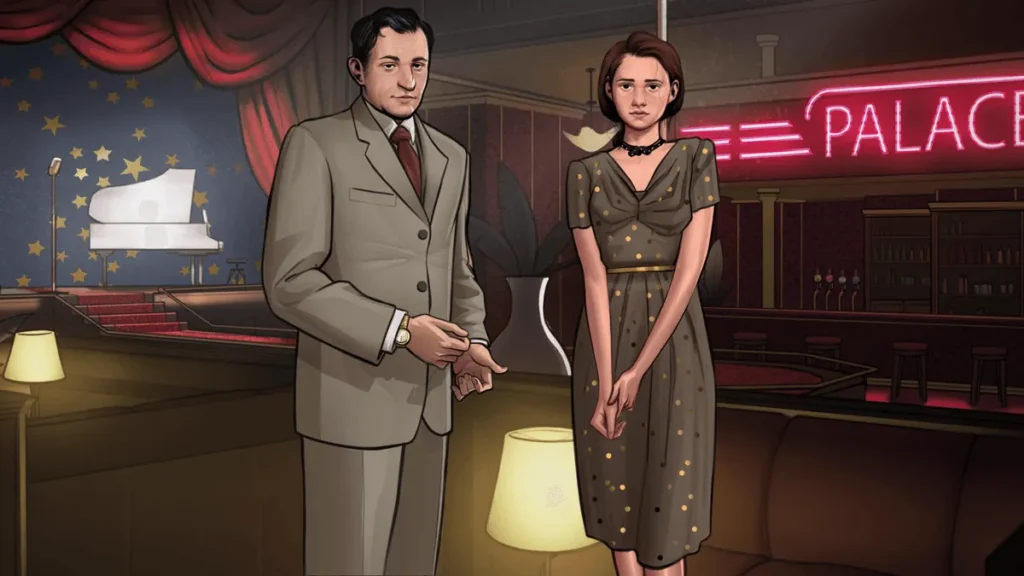
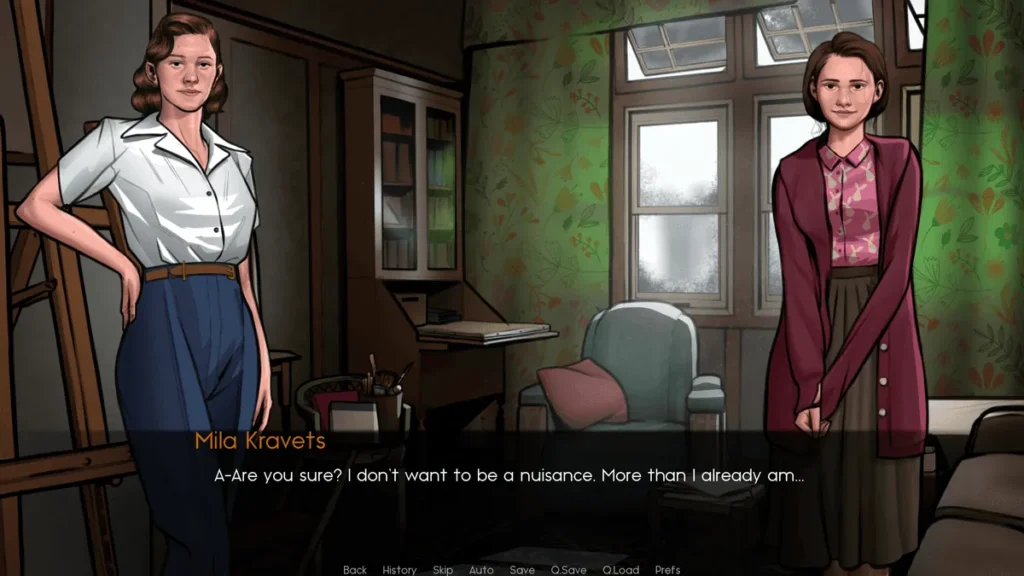

The Silver Lining review
Everything you need to know about this narrative-driven indie title
The Silver Lining is an indie narrative-driven game developed by NamusWill that has gained attention in the adult gaming community. Set in a fictionalized 1940s America, the game follows a young refugee girl and her family as they navigate a complex web of intrigue while building new lives in a foreign country. Built on the Renpy engine, this title emphasizes storytelling with branching narratives that lead to multiple endings. Whether you’re interested in the game’s narrative structure, character development, or technical specifications, this guide covers everything you need to know about this evolving indie project.
Game Overview: Story, Setting & Development
Ever stumbled upon a game that just feels different? One that pulls you into its world not with flashy combat or complex puzzles, but with the sheer weight of its story and the people who inhabit it? If you’re like me, a sucker for a tale well-told, then The Silver Lining game is about to become your new obsession. 🎭 This isn’t just another visual novel; it’s a meticulously crafted journey into a pivotal moment in history, where every whispered conversation and silent glance can alter the course of your future.
As a dedicated player of narrative experiences, I often find myself craving something with more substance, a story that stays with you long after you close the laptop. The Silver Lining delivers that in spades. It’s a narrative-driven indie game that proves you don’t need a blockbuster budget to create profound emotional impact. You just need a compelling premise, relatable characters, and a world that feels authentically alive. Let’s pull back the curtain and explore everything that makes this title so special.
The Silver Lining Narrative & Historical Setting
Close your eyes and picture it: America, the 1940s. The world is at war, and even oceans away, the tremors are felt in everyday life. This is the backdrop for our story, and it’s far from just a pretty aesthetic. The 1940s America setting is a core character in itself, shaping every decision, every fear, and every fleeting hope. 🗽 We don’t play as a soldier on the front lines, but as someone navigating an equally treacherous battlefield: a nation grappling with change, prejudice, and the struggle for a peaceful life.
You step into the worn-out shoes of a young European refugee who has fled the devastation across the Atlantic with her family. They arrive on American shores carrying little more than trauma and the desperate hope for a fresh start. This immediate connection to the protagonist’s vulnerability is what hooked me. You’re not a superhero; you’re a survivor, trying to piece together a new identity in a land that can be as unwelcoming as it is promising. Your father secures work at a modest motel, which becomes the central hub for the entire story—a microcosm of American society where you’ll interact with guests from all walks of life.
The genius of this setup is how it uses historical context to fuel personal drama. The narrative doesn’t shout about the war; instead, it whispers through the anxieties of its characters—the rationing, the newsreels, the young men enlisting, and the subtle (and sometimes not-so-subtle) tensions towards newcomers. It’s a masterclass in “show, don’t tell.” You’ll feel the weight of history in a neighbor’s suspicious glance or in the relieved sigh of a loved one receiving a letter. Playing this game, I was constantly reminded of stories my own grandparents told, making the experience feel heartbreakingly real. This isn’t a textbook chapter; it’s a lived-in, breathing world where history’s grand narrative collides with intimate, personal strife.
Character Development & Multiple Endings System
If the setting is the stage, then the characters are the award-winning performers. The Silver Lining is, at its heart, a game about character relationships. Your journey is defined by the bonds you forge (or break) with the eclectic cast living in and around the motel. This is where the game’s brilliant branching narrative system truly shines. Every dialogue choice, every decision to offer help or keep to yourself, sends subtle ripples through the story. There are no obvious “good” or “evil” options here, just human ones, each with believable consequences.
Take Tommy, the motel owner’s son. Is he a harmless flirt, a genuine friend, or a potential romantic interest? Your interactions with him can pave the way for a sweet, supportive connection or lead to awkwardness and misunderstanding. Then there’s Mr. Siegel, the quiet, weary guest whose pain runs deeper than he lets on. Choosing to earn his trust opens up poignant story threads about loss and resilience. You’ll also cross paths with Juliette, whose glamorous exterior might hide her own struggles, and Frank, whose intentions are as murky as the whiskey he drinks. 🥃
The game’s greatest strength is that it makes you care. I found myself pausing before making choices, genuinely thinking, “What would be best for her? What would protect my family?” That level of emotional investment is rare.
The ultimate proof of this deep character-driven storytelling is the multiple endings gameplay. Your cumulative choices don’t lead to a single, predetermined finale. Instead, they steer you toward one of several core conclusions: a sweet ending, where hope and healing prevail; a bitter ending, steeped in tragedy and lost opportunities; or a bittersweet ending, that poignant mix of joy and sorrow that often feels the most true to life. Replayability isn’t about grinding for points; it’s about exploring the different lives your character could lead based on who she loves, who she helps, and what she prioritizes.
To give you a clearer picture of the narrative tapestry, here are the planned content tags and features that define the experience:
- Relationship Dynamics: Found Family, Slow Burn Romance, Complex Friendships, Parent-Child Bonds.
- Character Archetypes: The Wounded Refugee, The All-American Boy, The Mysterious Veteran, The Glamorous Survivor, The Protective Parent.
- Core Mechanics: Branching narrative system driven by affinity points, hidden relationship flags, and consequence-based story triggers.
- Narrative Themes: Survival vs. Living, The Weight of Secrets, The Cost of New Beginnings, Prejudice and Acceptance.
This structured approach to character relationships ensures that every interaction has purpose and that the path to each ending feels earned, not random.
Development Progress & Version History
One of the most exciting aspects of following an indie gem like The Silver Lining is witnessing its growth. Developed by the passionate creator NamusWill, this Ren’Py engine game has been a labor of love, evolving through consistent, transparent updates. For players, this means the story has literally expanded before our eyes, with each version adding new layers of depth. I’ve been following since the early days, and it’s been incredible to see the world fill out, chapter by chapter. 🛠️
The journey began with its original public release on April 4, 2025. Since then, NamusWill has been on a steady update schedule, treating the community to significant expansions of the story. The current version, v0.9, landed in June 2025 and represents a massive leap forward, bringing the narrative to a critical juncture. The developer has outlined a clear roadmap, with the planned v0.10 update intended to mark the midpoint of the entire story. This transparent planning is a gift for players, as we can follow the narrative arc with anticipation.
What makes this development progress so engaging is the tangible addition of content with each update. Early builds introduced us to the core family and setting, while subsequent versions deepened relationships with key characters like Tommy and Mr. Siegel, added new narrative branches, and refined the art and sound design that brings the 1940s to life. The commitment to a narrative-driven indie game vision is unwavering, with each patch focused on enhancing the player’s emotional journey rather than just checking boxes.
To chart this journey from its inception to its current state, here’s a detailed look at the version history:
| Version | Release Window | Major Content Additions & Milestones |
|---|---|---|
| v0.2a | Early April 2025 | Initial public release. Introduced the protagonist, her family, the motel setting, and first interactions with core characters like Tommy. |
| v0.3 | Late April 2025 | Expanded the prologue and early days at the motel. Added deeper dialogue trees and the first major choices affecting character affinity. |
| v0.6 | May 2025 | A significant narrative expansion. Introduced fully-realized story arcs for Mr. Siegel and Juliette, adding new locations and emotional depth. |
| v0.9 | June 2025 | Current version. Major update introducing Frank’s storyline, complex new choices, and advancing all central plots to a pivotal climax. |
This methodical, chapter-by-chapter development is a hallmark of a creator dedicated to their story. It allows for community feedback while ensuring the branching narrative system remains coherent and powerful. Playing The Silver Lining in its current state feels like reading a fantastic, serialized novel where your choices matter. The development progress is a testament to the potential of indie games to tell rich, choice-driven stories without compromise.
So, whether you’re a veteran of visual novels or someone curious about narrative games, The Silver Lining offers a profound and moving experience. It wraps the immense tension of a world at war around the intimate, delicate struggles of starting over. With its compelling 1940s America setting, deep character relationships, and a truly responsive branching narrative system that leads to authentic multiple endings gameplay, it sets a high bar for what a narrative-driven indie game can achieve. Keep an eye on this one—it’s a story that’s still being written, and you have the power to help shape it. ✨
The Silver Lining represents a notable entry in narrative-focused indie gaming, offering players a story-driven experience centered on meaningful choices and character relationships. With its 1940s setting, branching narrative system, and commitment to multiple endings, the game appeals to players seeking depth and replayability. Available across multiple platforms including Windows, macOS, Linux, and Android, the title has maintained steady development progress with regular updates adding new content and refining the player experience. As the game continues development toward its planned midpoint at version 0.10, players can expect further expansion of character storylines and relationship mechanics. Whether you’re interested in narrative games, character-driven experiences, or indie titles in general, The Silver Lining offers a unique perspective on interactive storytelling with player agency at its core.