Sylphia Island
Play Sylphia Island
Sylphia Island Screenshots




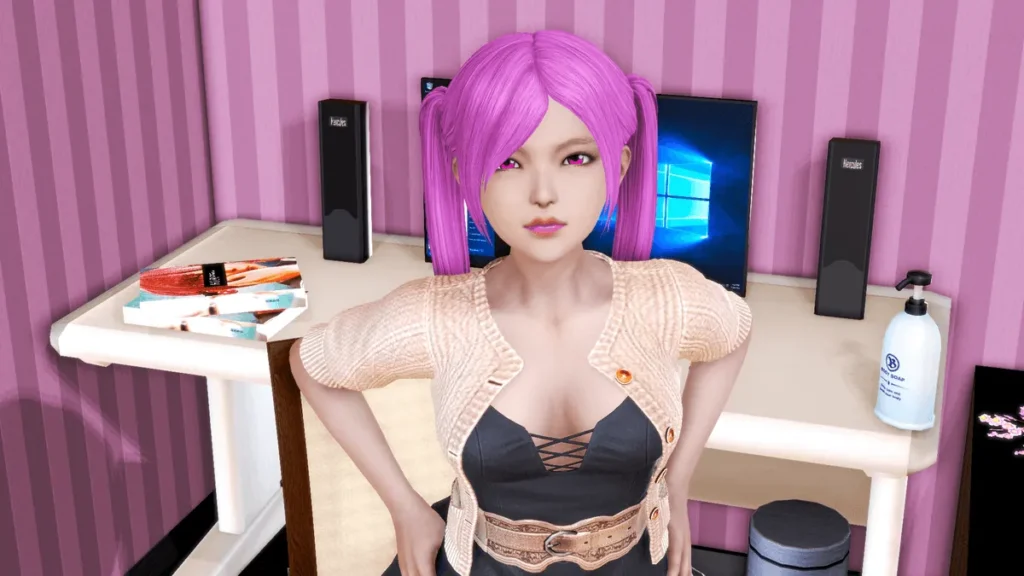
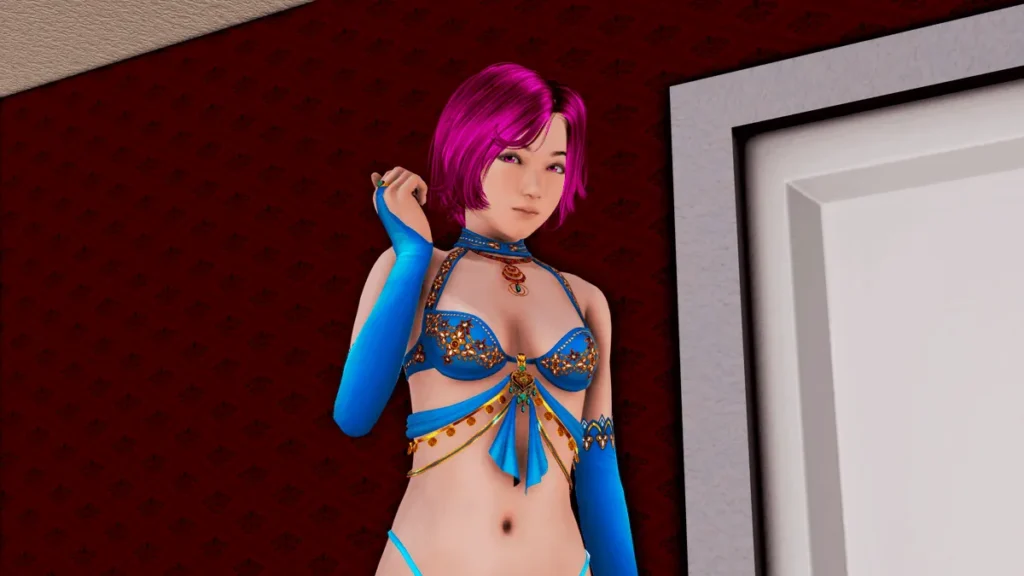

Sylphia Island review
A personal, practical guide to the Sylphia Island visual novel experience
Sylphia Island is a relationship-driven visual novel that drops you on a mysterious island after a life-changing accident and asks you to rebuild your life from scratch. From the first scene, you are surrounded by distinct characters, branching choices, and an ongoing mystery about the island’s past. In this guide, I’ll walk you through what makes Sylphia Island stand out, how its story and relationship systems really feel in practice, and the lessons I’ve learned from my own playthroughs so you can enjoy a more immersive and emotionally satisfying experience.
What Is Sylphia Island and Why Does It Stand Out?
Let’s start with the most important question. If you’re here, you’ve probably seen the name float by in a forum or a friend’s recommendation, and you’re wondering: what is Sylphia Island? 🤔 In the simplest terms, it’s a character-driven visual novel built with the Ren’Py engine that completely absorbed me for weeks. But that description sells it short. It’s not just another dating sim or linear story; it’s an experience about rebuilding a life from scratch on a remote, beautiful, and strangely secretive island.
Think of it as a slow-burn novel where you are the protagonist. You wake up on a beach with no memory—no name, no past, nothing. The first person you meet is Alex, a kind and capable woman who, without a second thought, offers you a place to stay. This act of grace forms the heart of the Sylphia Island story: you’re a stranger in a small, closed community, learning to belong while uncovering why you’re really there. The brilliance of this RenPy visual novel is how it makes that daily process of adjustment and discovery deeply personal and compelling.
What is the core story of Sylphia Island?
The core narrative of the Sylphia Island game is a masterful blend of amnesia-driven mystery and intimate, slice-of-life connection. Your journey begins with a literal blank slate. You’re found after an accident, and your recovery—both physical and mental—is tied to the rhythms of island life and the people who live there.
Alex’s home becomes your new center of gravity, and it’s here you meet the other Sylphia Island characters who will define your experience. There’s Celeste, the thoughtful and sometimes melanchonic artist; Lillian, the energetic and fiercely loyal friend; Gracie, whose cheerful demeanor might hide deeper worries; and Serra, whose quiet, observant nature makes every conversation feel significant. 🏡 Each character is a story waiting to be unfolded, and the game’s genius is that it never forces them on you. You choose who to talk to, who to help, and who to slowly, patiently befriend.
But this isn’t just a peaceful life simulator. From almost the first day, there are whispers. Talk of the island’s history, strange occurrences, and a palpable sense that something isn’t quite right lingers beneath the sunny surface. The Sylphia Island visual novel expertly weaves this subtle suspense into everyday moments. A casual chat about local folklore suddenly turns serious. A character might let slip a cryptic comment about “the last time someone new arrived,” before quickly changing the subject. The mystery of your past becomes entangled with the mysteries of the island itself, creating a dual-layered narrative that had me constantly forming and re-forming theories.
The emotional payoff comes from this slow build. There’s a profound satisfaction in earning a character’s trust. I remember the first time Celeste, who initially gave only short, polite replies, asked for my opinion on one of her paintings. It was a small moment, but it felt like a major victory—a direct result of my choice to keep visiting her studio. These aren’t just checkpoints on a route; they feel like genuine relationship milestones.
How does Sylphia Island reinvent the visual novel formula?
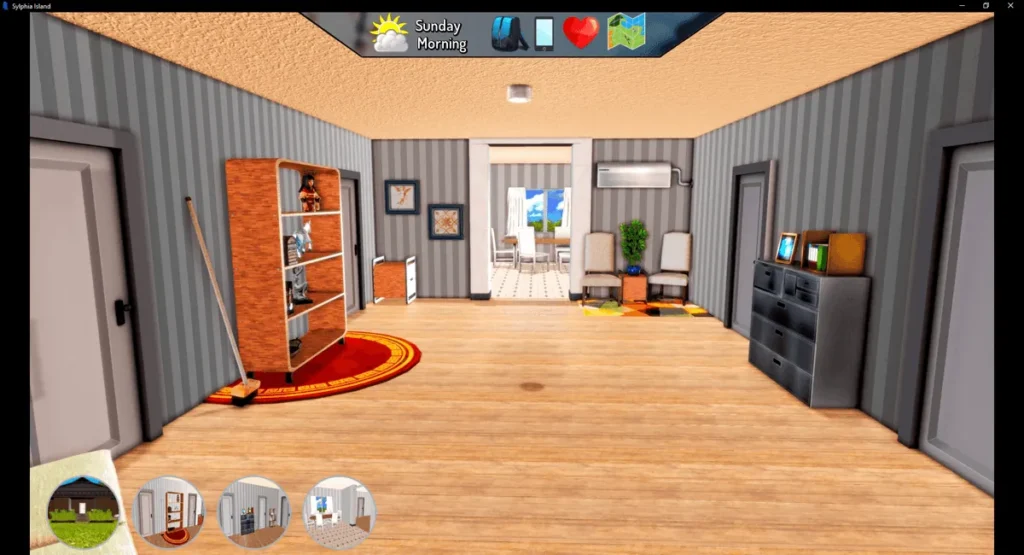
Many visual novels follow a familiar pattern: a branching path structure that leads to distinct, isolated endings for each love interest. Sylphia Island boldly reimagines this formula. Instead of a branching tree, it feels more like a living ecosystem. The game is structured around a daily life system where you decide how to spend your time. Will you explore the forest trails, help out at the local cafe, or simply relax on the pier? Your choices directly influence which character events you trigger and how your relationships evolve.
This creates an incredible sense of player agency and immersion. You’re not just reading a story about someone living on an island; you are actively scheduling their life. The relationships develop organically over in-game weeks and months. Characters remember your previous conversations, and their dialogue changes based on your affinity with them. I was stunned when, after several days of choosing to have breakfast with Lillian, she started saving a seat for me automatically. The game world feels like it exists and evolves even when you’re not directly advancing a plot flag.
Here’s what truly sets this Sylphia Island visual novel apart in my personal Sylphia Island review style overview:
- A Focus on Found Family & Deep Bonds: While romantic possibilities exist, the game’s soul is in building a found family. Your connection to Alex as your anchor, and your evolving friendships with the entire household, are just as rich and rewarding as any romantic subplot.
- Character Depth Over Tropes: These characters have layers. A cheerful facade often guards a vulnerable past, and a reserved nature might mask fierce intelligence. Unlocking these layers through patient interaction is the core gameplay loop.
- The Atmosphere is a Character: The island itself, with its stunning visuals and haunting soundtrack, is a constant presence. The contrast between idyllic daytime routines and the eerie, mysterious undertones creates a unique, captivating mood.
- Mystery Integrated into Daily Life: The overarching secrets aren’t relegated to occasional “plot chapters.” They seep into everyday conversations and optional exploration, making the pursuit of answers feel like a natural part of settling in.
This approach makes the Sylphia Island game feel less like a book with choices and more like a life you’re genuinely guiding. The “visual novel” framework is the foundation, but the experience is something richer and more simulation-like.
| Traditional Visual Novel Trait | Sylphia Island’s Approach |
|---|---|
| Linear, branching character routes | Open-ended daily schedule influencing all relationships simultaneously |
| Plot-heavy, event-driven pacing | Slice-of-life pacing where plot emerges from daily interactions |
| Character archetypes and tropes | Deep, layered characters with slowly-revealed histories and vulnerabilities |
| Clear division between “common route” and “character routes” | A seamless narrative where character development and main plot mystery are intertwined |
My first impressions playing Sylphia Island
I’ll be honest: my first hour with the Sylphia Island game was defined by a profound and beautiful awkwardness. 😅 The game doesn’t shy away from the discomfort of your situation. Waking up with no memory is terrifying, and the early dialogue options perfectly capture that vulnerability—you can be grateful, suspicious, confused, or withdrawn. I chose to be cautiously thankful, and Alex’s patient, no-nonsense kindness was an immediate relief.
Let me walk you through that first in-game day, which perfectly sets the stage:
You wake up in a simple, unfamiliar room. The light is soft. A woman named Alex explains you were found and brought here. The dialogue is quiet, sparse. You name your character (I went with my own name for maximum immersion). There’s no grand info-dump, just a gentle introduction to your new reality. You’re shown around the house, and you meet the other residents in passing—a shy smile from Serra in the hallway, the sound of Gracie humming in the kitchen. Nothing is forced. You’re given space to simply be, and the opportunity to explore the immediate area on your own. I spent a good ten minutes just looking at the scenery from the porch, the sound of the ocean in the background, feeling genuinely displaced yet curious.
That first evening, sharing a meal with everyone, was a masterclass in subtle storytelling. The conversation flowed around me. I could listen, or I could tentatively participate. I learned about the island’s mayor through gossip, heard a passing mention of “the old lighthouse” being off-limits, and felt the distinct dynamic between each character. Lillian tried to include me, Celeste observed quietly, and Alex gently steered conversations away from topics that seemed too heavy for a newcomer. It was clear I was both a guest and a puzzle piece that didn’t quite fit yet.
My tip from this first session? Don’t rush. Soak in the awkwardness. Read the room descriptions. Let yourself feel like a stranger. This initial discomfort makes every subsequent moment of connection, every inside joke you eventually become part of, feel earned and incredibly sweet. 🍯
My “aha!” moment came at the end of my third virtual day. After choosing to walk with Serra a couple of times, usually in silence, she suddenly pointed to a specific type of flower and said, “You noticed these too, didn’t you? They only grow near the fresh spring water up north.” It was a tiny line, but it proved the game was tracking my actions and her perception of me. She’d noticed what I paid attention to. That’s when I knew Sylphia Island was something special. It wasn’t just waiting for me to hit the right choice; it was observing my behavior and having the world—and its people—react to it.
So, what is Sylphia Island at its heart? It’s a patient, poignant, and mysterious simulation of finding your place in a world you don’t remember. It stands out because it trusts you to find your own path and rewards you with relationships that feel authentically built, not just unlocked. For anyone who craves story-rich games where emotional payoff comes from long-term investment rather than quick plot twists, this is a destination worth visiting. The real magic, of course, begins once you understand how to navigate its unique social landscape—which is exactly what we’ll dive into next, as we break down the choice system and relationship mechanics that make this island come alive.
Sylphia Island delivers a thoughtful mix of relationship-building, slow-burn storytelling, and quiet mystery that rewards players who enjoy taking their time with characters and choices. As you settle into the island’s rhythm, the small daily decisions you make steadily reshape conversations, reveal hidden layers of each character, and bring the island’s past into clearer focus. If you’re drawn to narrative games where your connections feel earned rather than rushed, Sylphia Island is worth exploring with patience, curiosity, and an eye for the little moments that make its world feel alive.