
Lessons in Love
Play Lessons in Love
Lessons in Love Screenshots





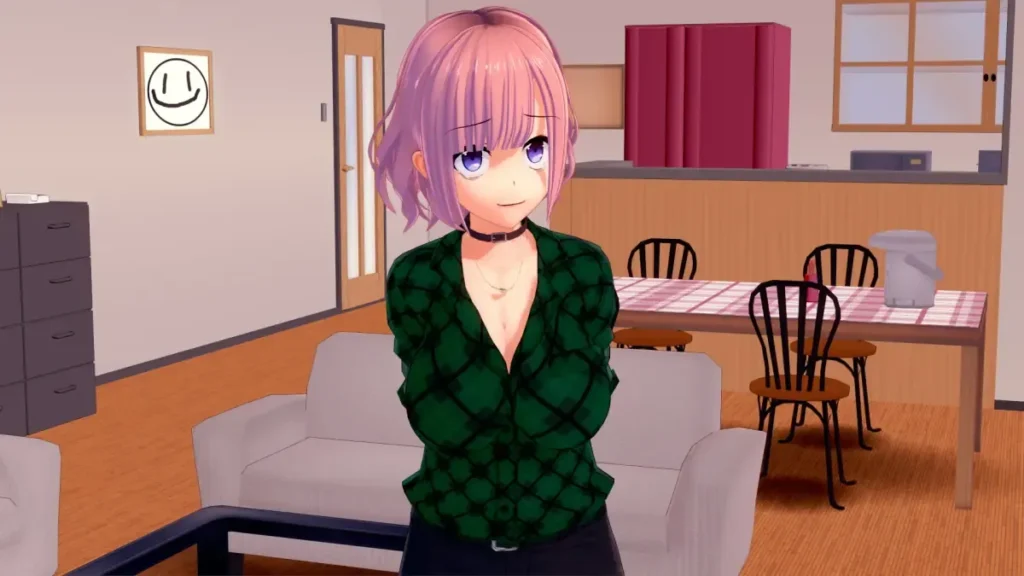











Lessons in Love review
Master the twisted romance and dark secrets of this captivating visual novel
Ever stepped into a world where teaching high school girls turns into a mind-bending journey of lust, resets, and supernatural twists? That’s Lessons in Love for you—a visual novel that hooked me from the first eerie awakening in Kumon-mi. As Sensei, you navigate daily choices, build affection with a cast of complex characters, and unravel a plot blending steamy encounters with horrifying revelations. I’ve sunk hundreds of hours into it, chasing routes and dodging bad ends. This guide shares my personal playbook to help you conquer Lessons in Love, from beginner tips to advanced event chains. Let’s dive into the obsession that keeps players coming back.
What Makes Lessons in Love So Addictive?
I still remember my first night in Kumon-mi. One moment, I was a normal guy falling asleep; the next, I was waking up as Sensei, the new homeroom teacher at Akademi High. The sun was shining, the cherry blossoms were drifting past my window, and the soundtrack was all gentle piano melodies. “Okay,” I thought, “this is a lovely, relaxing visual novel.” I spent that first in-game day meeting the students—bright, quirky, endearing girls like the energetic Makoto and the shy Yumi. The art was cute, almost nostalgic. Then, I went to bed on Day 1.
The screen went dark. And in that darkness, a grotesque, floating limb drifted into view, accompanied by a sound that was anything but gentle. My comfortable illusion shattered in an instant. What kind of game is this?! That jarring contrast, that delicious dissonance between the sweet surface and the lurking horror, was my first real Lesson in Love. It wasn’t just a dating sim; it was a trap. And I was already hooked. 😱
This Lessons in Love visual novel masterfully blends cozy life simulation with psychological dread and otherworldly mystery. Its addiction comes from a brilliant, interlocking system of choice, consequence, and revelation. Let’s break down exactly what makes it so hard to put down.
How the Daily Choice System Hooks You In
At its core, the Lessons in Love gameplay loop is deceptively simple. Each day, you wake up as Sensei. You have a set amount of time and energy. Your primary tool? A map of Kumon-mi. Your mission? Choose a location to visit.
But here’s the catch: you can only be in one place at a time. Do you go to the Library to hopefully bump into the bookish Sana? Or the Arcade to find the competitive Rin? Maybe you just wander the Streets, because sometimes the most profound, terrifying events happen when you’re not looking for them. This daily choice is the heartbeat of the entire experience. ❤️
It creates an incredible sense of FOMO (Fear Of Missing Out). You know that every location holds a potential scene, a snippet of dialogue, a chance to raise a character’s affection level, or a piece of the overarching, sinister puzzle. The game runs on a real-time clock, so you often have to wait for the next “day” to play again, which makes every choice feel weighty and precious. You’re not just watching a story unfold; you’re actively, and anxiously, directing its flow.
This system is the foundation of how to play Lessons in Love. It’s not about fast-clicking through dialogue; it’s about strategic curiosity.
Pro Tip: Your early game goal should be triggering the main story event “Outside of Everything” around Day 26. This is a major gateway into the game’s deeper mysteries and unlocks more locations and interactions. Prioritize visiting key spots like the School and Streets to build towards it.
The core mechanics you need to master from day one include:
- Daily Location Choices: Your most frequent and impactful action. Each girl has favored haunts.
- Affection Tracking: Each character has a hidden numeric value. Certain events and story beats are locked behind specific thresholds.
- Event Prerequisites: Major scenes require specific combinations of affection, previous choices, and the correct day/time. Missing one can delay a storyline for weeks.
- Reset Impacts: The game features narrative resets. While some progress is retained, relationships and world states can shift dramatically, forcing you to adapt your strategy.
Unpacking the Supernatural Plot Twists
Just when you think you’ve got a handle on the daily routine and the character dynamics, the Lessons in Love plot twists rip the floor out from under you. This is where the game evolves from a quirky romance into something truly unforgettable.
Remember that cute, slice-of-life beginning? It’s a facade. The Lessons in Love supernatural elements are woven into the very fabric of Kumon-mi. We’re not talking about casual ghosts or vampires. We’re talking about a bizarre and profound cosmology centered on a trinity of gods: the Callous, the Calm, and the Concerned. Their influence, and their conflict, bleeds into reality in terrifying ways. You’ll encounter impossible spaces, time loops, and realities that glitch and break. The students themselves are sometimes not what they seem, their identities and memories fluid and unstable.
Then there’s the foundational myth of this world, often shared by the enigmatic student Nozomu. It’s a creation story, but instead of light and life, it speaks of a primordial, yearning loneliness and a act of desperate, flawed creation born from that feeling. It reframes every relationship in the game, making you question whether the bonds you’re forming are genuine or merely programmed echoes of a divine mistake. 🤯
These twists aren’t just for shock value. They directly impact the Lessons in Love gameplay. A reset might change a character’s personality. A supernatural event might unlock a new location on your map or alter your past choices. The horror and the romance are not separate tracks; they are the same, tangled thread. Pursuing a girl’s heart might literally lead you into a nightmare realm, and solving a cosmic mystery might require understanding a very human jealousy.
Why Character Affection Drives Every Decision
In most games, raising affection is a means to an end—a happy ending, a romantic scene. In Lessons in Love, affection is the currency of survival and the lens of truth. The Sensei character in Lessons in Love starts as a fairly generic, somewhat opportunistic guy. His inner monologue is often dominated by base instincts. But as you play—as you fail, reset, and learn—he changes. You change.
Your primary tool for navigating this broken world is your relationship with the students. Raising Lessons in Love affection levels does more than unlock cute scenes. It unlocks information. It alters story paths. A character with high affection might trust you with a crucial secret, intervene to save you from a bad end, or perceive you differently after a reality reset. A character with low affection might betray you, become a vessel for an otherworldly force, or simply remain an inaccessible mystery.
This is perfectly illustrated by the Sensei character in Lessons in Love and his evolution. Early on, his thoughts are simple. But as the cycles repeat and the stakes become clear, his focus shifts. The writing brilliantly mirrors the player’s own journey from casual dating-sim enthusiast to desperate archivist of a crumbling world.
“I used to think with my… well, you know. Every interaction was a calculation. Now, after seeing that same smile wiped away by the reset a dozen times, I just want to hear her laugh. Even if it’s just for this cycle.”
This quote from a later-game monologue captures the shift. You’re no longer just chasing numbers; you’re fighting to preserve moments of genuine connection in a universe that seems hell-bent on erasing them.
Let’s look at a practical example. Yumi, the timid girl who hides behind her hair. Early on, raising her affection involves gentle, patient encouragement. But later, you might face a confrontation where she’s angry and scared. You have a choice: deflect with a joke (the old Sensei’s move) or engage with her pain honestly. The “joke” might preserve a superficial peace. The honest, difficult choice will tank your affection meter in the short term but fundamentally alter your dynamic, potentially unlocking an entirely new, deeply uncomfortable but real storyline for her. This is the game’s core contract: safe choices lead to dead ends. Real vulnerability, even when it hurts, leads to progress.
| Character | Key Affection Milestone | Gameplay Impact |
|---|---|---|
| Makoto (High) | Confides about her “other” self. | Unlocks dialogue options to navigate her dual nature, preventing bad ends. |
| Sana (Low) | Remains closed off. | Her library route stays locked; crucial lore books remain unreadable. |
| Ami (Fluctuating) | Trust shattered after a specific plot event. | Her entire route branches, potentially locking you out of her help during a critical late-game crisis. |
So, why is this mix of romance, strategy, and existential horror so addictive? 🤔 It’s because Lessons in Love respects your intelligence and invests your emotions. The daily choice system makes you an active participant. The supernatural twists ensure you’re always off-balance, thirsty for answers. And the affection system ties your heart directly to your success. You’re not just playing a game; you’re fighting for memories in a loveless universe, one careful, daily choice at a time. You learn to track stats, but you also learn to care. And that, perhaps, is the ultimate lesson it has to teach.
Lessons in Love masterfully blends steamy pursuits with a chilling supernatural narrative, where every choice as Sensei shapes unforgettable routes and revelations. From building affection with girls like Makoto and Yumi to navigating resets and god-like entities, it’s a game that rewards patience and strategy. My countless playthroughs taught me that the real thrill lies in those pivotal moments that lock in deep connections or horrifying twists. Ready to awaken in Kumon-mi? Download Lessons in Love today, experiment with event chains, and share your wildest route stories in the comments—let’s keep the conversation going!