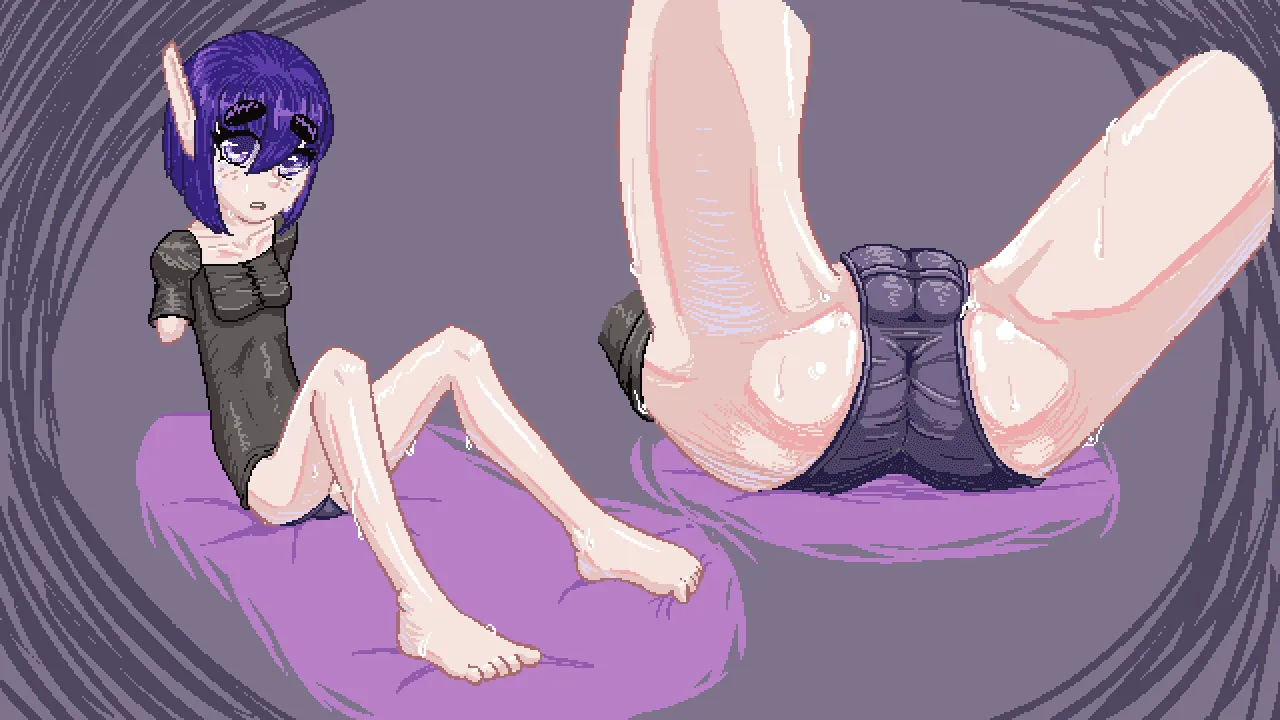
Foster Home for Fantasy Girls
Play Foster Home for Fantasy Girls
Foster Home for Fantasy Girls Screenshots


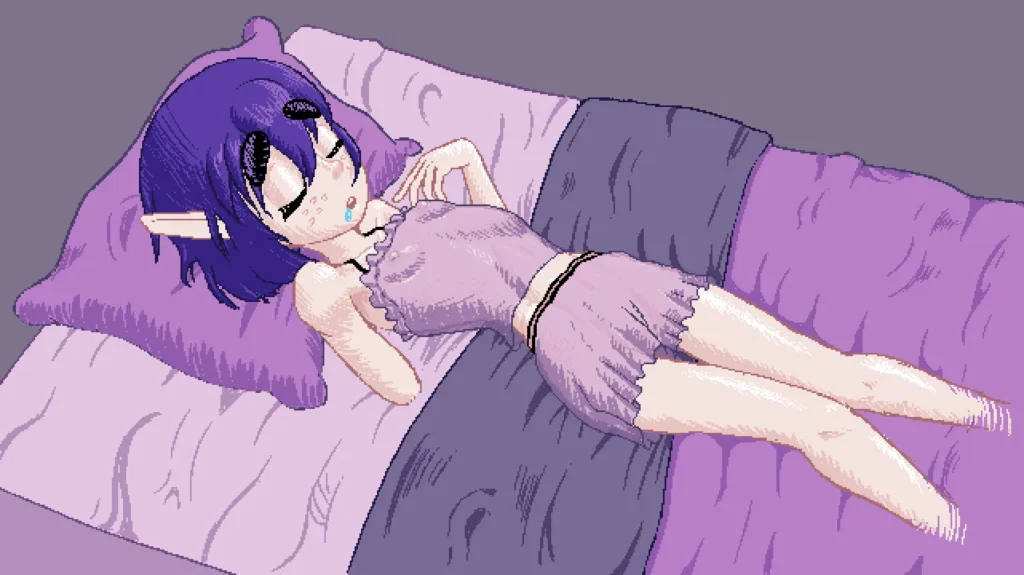
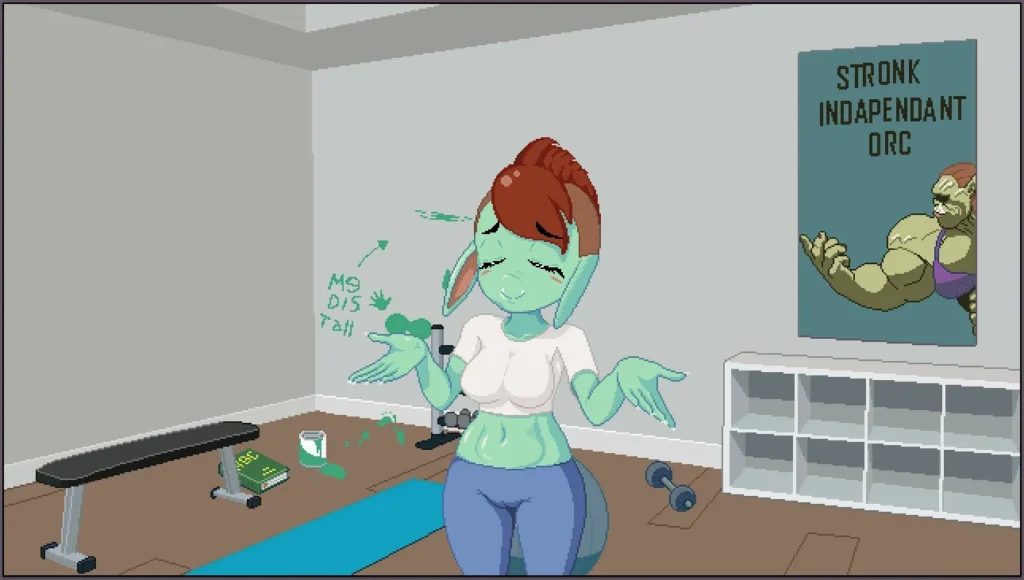

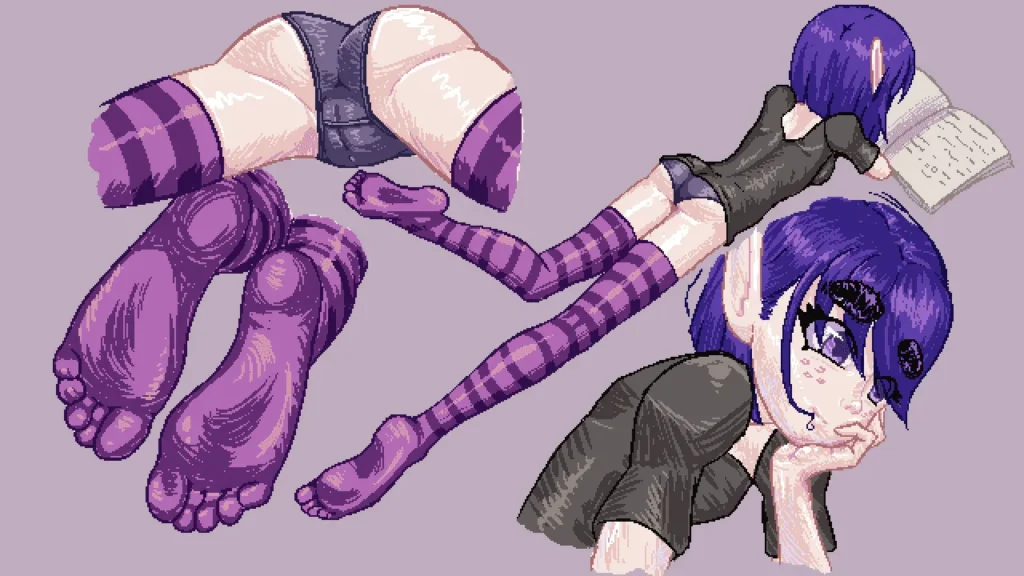
Foster Home for Fantasy Girls review
In-depth walkthrough, features, tips, and player insights for Foster Home for Fantasy Girls
Foster Home for Fantasy Girls is an adult-oriented visual novel-style game that blends narrative choices, character relationships, and scene-based content to deliver a player-driven experience. This article gives a clear, structured guide to the game’s core systems, how choices affect outcomes, practical tips for progressing, and personal impressions from hands-on play. Whether you want a guided walkthrough, advice for collecting scenes and endings, or troubleshooting tips for installs and saves, this guide covers everything a player needs to enjoy Foster Home for Fantasy Girls.
Gameplay Overview and Core Mechanics
So, you’ve downloaded Foster Home for Fantasy Girls and you’re ready to dive in, but maybe you’re wondering what exactly you’ve gotten yourself into. 🤔 Is it a dating sim? A life simulator? A storybook? Well, you’re in for a treat, because it masterfully blends elements of all three into a single, captivating experience. At its heart, this is a choice-driven visual novel, which means your primary interaction with the world is through reading beautifully illustrated scenes and making decisions that shape the story. Think of it as being the director of your own animated series, where every dialogue choice and action determines the plot and your relationships with the charming fantasy residents.
The core Foster Home for Fantasy Girls gameplay loop is elegantly simple yet deeply engaging. You’ll progress through days, with each segment presenting you with narrative scenes and critical choices. There’s no complex platforming or real-time combat to worry about—your power lies entirely in your decisions. This structure makes it incredibly accessible, whether you’re a visual novel veteran or a complete newcomer to the genre. The magic isn’t in twitch reflexes, but in thoughtful consideration and emotional investment in the characters’ lives. You’re not just playing a game; you’re guiding a story, and that story changes based on what you say and do.
### What kind of game is Foster Home for Fantasy Girls?
Let’s get specific. Foster Home for Fantasy Girls is first and foremost an adult-oriented visual novel with strong relationship-building components. The “adult” tag is crucial here—it means the narrative and the scenes you can unlock mature themes and content, which are directly tied to your in-game progress and choices. 🎭 It’s not a sandbox where you run around an open world; it’s a focused, narrative-driven journey.
The game’s structure typically follows a linear timeline with branching paths. You might start each day in a common room or hub, then choose which character to interact with or which story thread to pursue. As you make these choices, you’ll trigger specific scenes that advance either the overarching plot or your bond with an individual character. From my own playthrough, I learned that skipping a casual chat with one character in the morning to help another in the garden didn’t just change that day’s events—it subtly altered available dialogue options a full week later, locking me out of a sweet moment I only discovered on a second save file! This is the essence of Foster Home for Fantasy Girls choices; they have weight and consequence, often in ways you can’t immediately see.
Understanding this visual novel mechanics foundation is key. The game will present you with text, character sprites (who often have multiple expressions), detailed backgrounds, and a soundtrack that sets the mood. Your job is to absorb the story and, when prompted, pick from a list of responses or actions. These aren’t just flavor text—they are the primary game mechanics Foster Home for Fantasy Girls relies on to drive everything forward.
### Core systems: choices, affection, and scene triggers
This is where the rubber meets the road. The three pillars holding up your entire experience are your choices, the hidden relationship meters, and the scene triggers they control.
1. Choices: The Steering Wheel
Every dialogue option or action you select is a choice that feeds into the game’s logic. Some choices are obvious forks in the road (e.g., “Comfort her” vs. “Give her space”), while others seem minor but add tiny, cumulative points to a hidden metric. The brilliance of the Foster Home for Fantasy Girls gameplay is that you’re never just picking “good” or “bad” responses. You’re defining your protagonist’s personality and intentions. Do you want to be the playful, teasing caretaker or the sincere, protective one? Your consistent choices will shape how the characters perceive and react to you.
2. Affection: The Hidden Scorecard
Beneath the surface, the game is constantly tracking your standing with each character via relationship meters Foster Home for Fantasy Girls. While these are usually not directly visible on screen during normal play (adding to the realism), their influence is everywhere. 🧠 A higher affection score with, say, the shy bookworm elf, makes her more likely to open up to you, unlocks special, more intimate dialogue options later, and is the absolute key to accessing her personal storyline’s culminating scenes.
Pro Tip: There’s no official “affection UI,” but you can track progress indirectly! Pay close attention to character dialogue. If they start using warmer language, sharing deeper secrets, or initiating physical contact like a hug, your meter is filling up. I recommend keeping a simple notepad file open to jot down when you think a big affinity boost happened.
3. Scene Triggers: The Rewards
This is the payoff. Scene triggers are specific conditions—often a combination of reaching a certain day in the story and having a high enough affection level with a character—that unlock special scenes. These can range from heartfelt one-on-one conversations to the game’s signature adult content. The game mechanics Foster Home for Fantasy Girls employs here are all about meeting prerequisites. You can’t rush it. If you try to trigger a late-game romantic scene on day three, it won’t happen. The game requires narrative and emotional buildup, which makes finally unlocking that content feel earned and satisfying.
Remember, it’s a web, not a straight line. Pursuing one character intensely might close off opportunities with another, at least for a while. This is where multiple playthroughs or strategic saving (which we’ll cover next) become part of the fun!
### Controls, interface, and saving
Don’t let the narrative focus fool you—mastering the interface is crucial to enjoying Foster Home for Fantasy Girls without frustration. The controls are simple, but using them effectively is a skill. 🎮
Basic Controls & Navigation:
You’ll primarily use your mouse. Click to advance text. When choices appear, click your selection. The right mouse button or the Escape key will usually bring up the main menu. Keyboard shortcuts are your best friend for smooth Foster Home for Fantasy Girls gameplay:
* Ctrl: Hold to fast-forward through text you’ve already read.
* Q: Opens the backlog (history) to review previous dialogue—a lifesaver if you clicked too fast!
* W: Toggles text auto-advance.
* Spacebar: The universal “next” or “continue” command.
The User Interface (UI):
The main UI is clean and non-intrusive, keeping you immersed in the story. Key elements include:
* Text Box: Where the story and dialogue appear.
* Name Plate: Shows who is speaking.
* Choice Menu: Appears centered or at the bottom when a decision is required.
* Quick Menu: Often a semi-transparent bar at the bottom or top of the screen with icons for Save, Load, Auto, Skip, and Config (Settings). Hovering over these usually explains their function.
The Most Important Skill: How to Save (and Save Often!)
This cannot be overstated. Learning how to save Foster Home for Fantasy Girls progress properly is the difference between a relaxed, exploratory experience and one filled with regret. Because of the branching Foster Home for Fantasy Girls choices, you must use multiple save slots.
Here’s my golden rule: Never overwrite your main progress save. Instead, create a new, dated save at the start of each in-game day or before any major story event. Then, use the Quick Save function liberally before any choice you’re even slightly unsure about. Think of Quick Save as your “let’s see what happens” button. If a choice leads somewhere you don’t like, just Quick Load and try the other option.
To make this crystal clear, here’s a breakdown of your saving toolkit:
| Function | Best Use Case | Pro Tip |
|---|---|---|
| Save Slot (Manual) | Creating permanent, named milestones (e.g., “Start of Day 5,” “Before Elf Decision”). | Use 5-10 slots and cycle through them. Label clearly! This is your primary branching tool. |
| Quick Save (F5 Key Common) | Right before any dialogue choice or risky action. Experimental moments. | It’s temporary and gets overwritten. Use it to test choices, then reload with Quick Load (F8). |
| Load | Returning to a previous decision point or continuing from a saved milestone. | Your “undo” button for story paths. The menu shows a preview of the saved scene. |
| Backlog (Q Key) | Re-reading past dialogue you missed or want to revisit. | You can usually click within the backlog to jump back to that point in the story to re-do choices. |
| Skip (Ctrl Key) | Speeding through already-read text on repeat playthroughs. | In settings, often you can set skip to “unread text only” to avoid missing new content. |
Why This Save Strategy is Essential:
During my first playthrough, I got lazy with saving. I reached a pivotal, emotional argument with a character in the late game. I picked what I thought was a reasonable, calm response. The character’s relationship meter plummeted, she left the home, and her entire storyline closed off for the rest of that playthrough! 😱 I was heartbroken. Because I only had one rolling save file, I would have had to replay dozens of hours to fix it. From that day on, I became a save-file evangelist. The branching nature of the visual novel mechanics demands this discipline.
To put this into immediate practice, here are five moments where you should absolutely create a new, manual save:
- Before the first major story branch. (Often at the end of a prologue or introductory week).
- The first time you’re alone with a character for a meaningful conversation.
- When a character asks you a deeply personal or plot-critical question.
- The beginning of any special event or “date” scenario.
- When you sense a character is about to confess something important or a scene is escalating in intimacy.
By now, you should have a solid grasp of what makes Foster Home for Fantasy Girls tick. You understand that it’s a narrative journey powered by your decisions, guided by hidden affection systems, and fully appreciated through smart use of saves and interface tools. This foundation in Foster Home for Fantasy Girls gameplay and game mechanics Foster Home for Fantasy Girls prepares you to step into the foster home not as a confused visitor, but as an engaged storyteller, ready to explore every branching path and build the relationships you desire. Remember, your choices are your voice—use them wisely, and save often! Your unique story awaits. ✨
Foster Home for Fantasy Girls offers a branching, choice-driven experience where careful saves, understanding core mechanics, and strategic replays unlock the full range of scenes and endings. This guide collected practical tips for installation, save management, route unlocking, and replay planning, alongside personal notes to help you get the most from each playthrough. If you found these walkthroughs and tips helpful, try the three-playthrough plan and join a community hub to trade saves and strategies—sharing your progress and questions will speed up completion and deepen enjoyment.