
Apocalust
Play Apocalust
Apocalust Screenshots















Apocalust review
Discover supernatural powers, steamy romances, and moral choices in this immersive game
Imagine snapping photos one day, then touching an ancient relic that flips your world upside down with mind-bending metaphysical powers. That’s Apocalust, the gripping adult visual novel where you play a young photographer torn between normalcy and lust-driven chaos. Developed by Psychodelusional, this game version 0.09 blends supernatural twists, branching storylines, and intimate encounters with stunning women. I’ve sunk hours into it, feeling that rush of power as choices ripple through relationships and a small town. If you’re craving an interactive tale of desire, morality, and erotic adventures, this guide uncovers everything to elevate your playthrough.
What Makes Apocalust’s Storyline So Addictive?
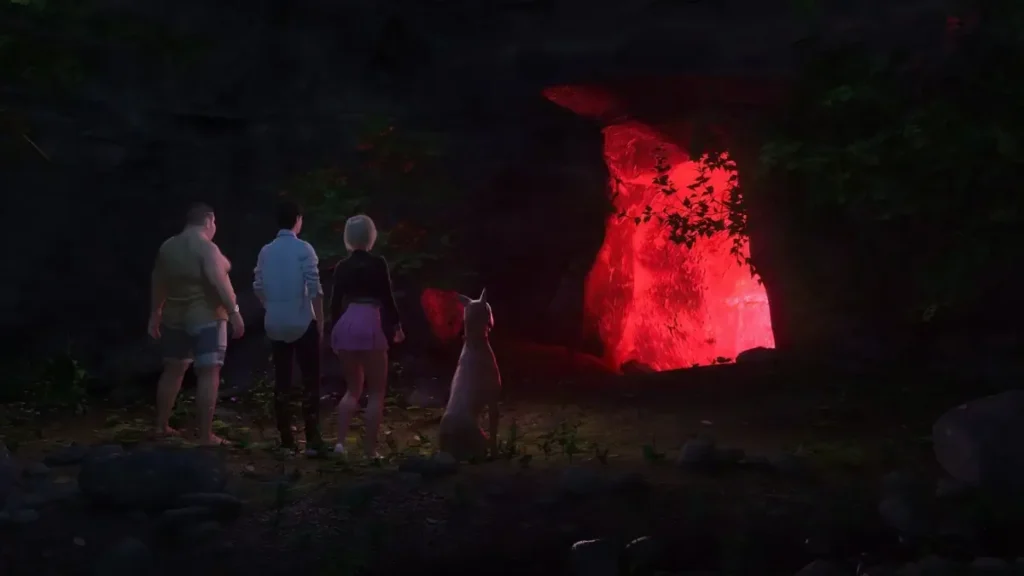
I remember the moment I first touched the ancient relic Apocalust introduced me to. It wasn’t in some dusty tomb, but in my character’s own, mundane apartment. One minute, I was a struggling photographer, the next, this strange artifact was humming with energy, searing its power into my skin. That’s the genius hook of the Apocalust storyline 🪄. It doesn’t just drop you into a fantasy world; it cracks your ordinary life wide open and asks, “What will you do with the key?”
Suddenly, the quiet coastal town of Midnight Oaks wasn’t just a backdrop for my lens. Every shadow held a secret, every person a potential ally or obsession. The Apocalust relic powers granted me more than just flashy abilities—they granted insight, influence, and temptation. I could sense desires, alter perceptions, and bend situations to my will. But here’s the catch: every use of this power, every choice it enables, writes your story in permanent ink. This duality—the normal life versus the powered-up temptations—is the engine that makes the Apocalust experience so incredibly gripping. You’re not just playing a story; you’re living the thrilling, terrifying consequence of ultimate freedom.
How the Ancient Relic Transforms Your Life
As that photographer protagonist, your new abilities rewrite your entire purpose. The ancient relic Apocalust bestows isn’t a simple tool; it’s a catalyst for metamorphosis. Your camera becomes more than equipment—it becomes a metaphysical focus, a way to channel your new sight. You start seeing the hidden aches and yearnings of the town’s inhabitants, from the mysterious bookstore owner with her guarded past to the enigmatic newcomer who seems to watch you from the shadows.
The core plot is a breathtaking juggling act. You’re trying to navigate intense, steamy romances that feel earned and real, all while a deeper, darker mystery about the relic itself and the entities that covet it begins to unravel. The Apocalust relic powers let you approach relationships in ways no other game allows. A touch of psychic empathy to comfort someone? A subtle nudge to make a confession happen? The power is there, but its use defines you. It’s this seamless blend of supernatural intrigue and deeply personal connection that makes the Apocalust storyline feel so expansive and personal at the same time.
Navigating Moral Dilemmas: Good vs Evil Paths
This is where Apocalust truly shines. The game masterfully avoids simple “good” and “bad” labels. Instead, you’re faced with Apocalust moral choices that feel deeply human, often presenting a “right” option that costs you personally versus a “desired” option that serves your wants. Will you use your power to secretly help a rival, or to sabotage them and claim their opportunity? Do you expose a painful truth to heal, or bury it to keep the peace—and someone’s affection?
Your decisions consistently funnel you toward one of two core philosophies: the Path of Integrity or the Path of Desire. My first playthrough was a dedicated Integrity run, and the emotional payoff was profound. It leads to bonds built on genuine trust and a sense of hard-won hope. But my second playthrough, giving in to Desire? That was a wild, corrupting, and strangely seductive ride to a very different set of Apocalust endings.
To show you the stark contrast, here’s a breakdown of where these paths lead:
| Path | Core Focus | Key Consequences |
|---|---|---|
| Path of Integrity | Altruism, Truth, Sacrifice | Builds trusting, loyal relationships. Unlocks hopeful, community-focused endings. Your power is a tool for protection and healing. |
| Path of Desire | Greed, Control, Power | Creates intense, possessive romances based on influence. Leads to isolated, corrupt, or supremely powerful endings. The relic’s whispers grow louder. |
The brilliance is that neither path feels cartoonish. Choosing Desire isn’t about mustache-twirling evil; it’s about the slow, rationalized slide into using your gifts for personal gain, and the game makes those consequences feel utterly real and often heartbreakingly lonely.
Branching Narratives and Lasting Town Impact
Forget the idea of a simple “choice tree.” The Apocalust story branching is a dense, interconnected web. Early, seemingly insignificant dialogue choices—like how you comfort someone in Chapter 1 or whether you pry into a secret in Chapter 2—act as hidden story flags. These flags don’t just change the next line of dialogue; they can unlock entire romantic scenes, alter character motivations, and open or close pathways to specific Apocalust endings hours later.
This “butterfly effect” design is what fuels insane replayability. You’re not just replaying for a different love interest; you’re replaying to see how the town itself changes. On the Path of Integrity, Midnight Oaks might rally together, brighter and safer. On the Path of Desire, it might become a gilded cage of your own making, or descend into chaos. The lasting town impact is a constant, visual reminder of your journey.
“I chose to use the relic’s influence during a vulnerable moment, expecting a cheap thrill. I didn’t expect it to spiral into the most twisted, passionate, and unexpectedly sincere romance in the game. It felt dangerous and wrong, and I couldn’t stop.”
The game rewards this exploration with a detailed gallery, challenging you to unlock every scene and confront every ‘what if’ Apocalust path 🎭. My advice for a first playthrough? Don’t save-scum. Live with your choices. Let the anxiety and excitement of permanent consequences sink in. That first, blind journey is magical. Save the meticulous path-hunting for your next visit to Midnight Oaks.
A final note on immersion: Apocalust uses high-quality, video-based scenes that are breathtaking. They demand a decent PC to run smoothly, but trust me, it’s worth the hardware ask. When a whispered conversation or a moment of passion unfolds with that level of detail, the line between you and the protagonist truly vanishes.
You’re not just reading a story; you’re weaving a legacy of power, passion, and consequence. And this is just the story—wait until you see how these choices shape the actual gameplay and your supernatural toolkit. But that’s a guide for next time…
Apocalust masterfully weaves supernatural powers, steamy relationships, and tough choices into an unforgettable visual novel adventure. From the relic’s corrupting touch to branching paths that reshape your town and romances, every decision pulls you deeper into this world of lust and morality. My multiple playthroughs revealed endless replay value, with each run unlocking new scenes and insights into the protagonist’s duality. Whether you chase virtue or vice, the immersive video scenes and dynamic story deliver thrills. Ready to grab version 0.09 and dive in? Start your journey today—your choices await, and the consequences will keep you coming back for more.