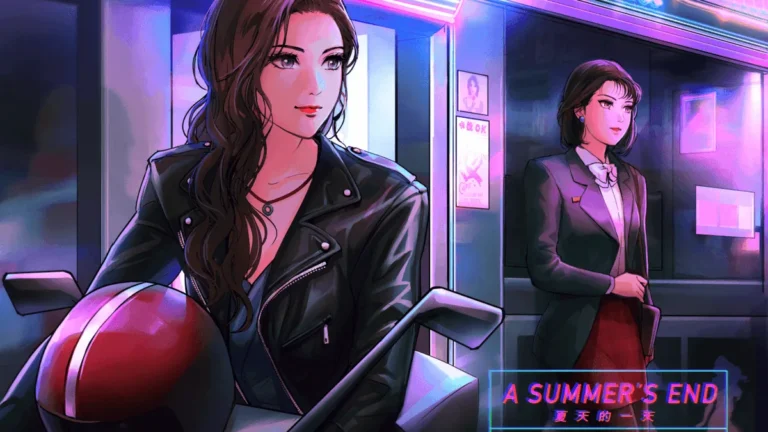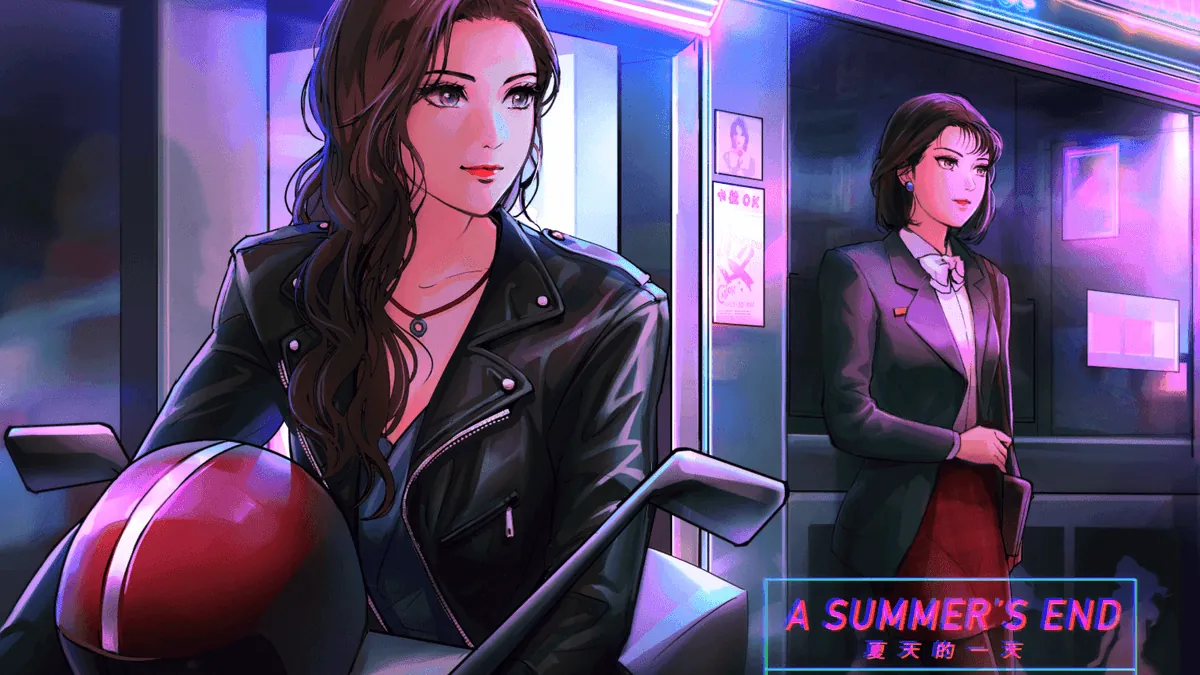
A Summer’s End – Hong Kong, 1986
Play A Summer’s End – Hong Kong, 1986
A Summer’s End – Hong Kong, 1986 Screenshots




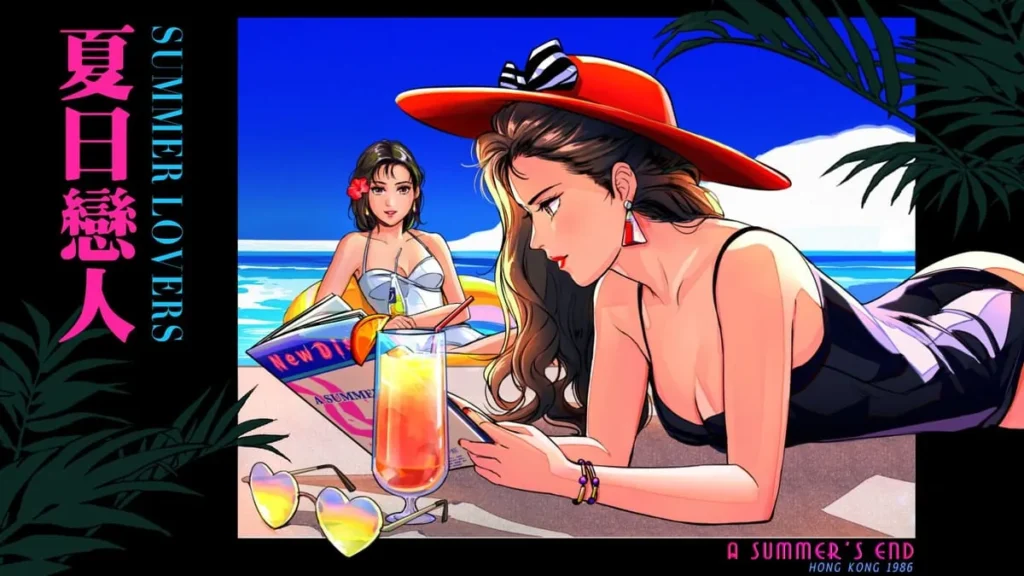


A Summer’s End – Hong Kong, 1986 review
Explore the heartfelt romance visual novel set in 1980s Hong Kong
Imagine stumbling upon a chance encounter in the bustling streets of 1986 Hong Kong that sparks a tender romance between two women navigating love, identity, and family pressures. A Summer’s End – Hong Kong, 1986 captures this beautifully in its visual novel format, blending lush 80s anime-inspired art with a vaporwave soundtrack. As someone who first played it during a rainy evening, I was hooked by Michelle and Sam’s evolving bond amid neon-lit Mong Kok and serene Sai Kung seascapes. This guide dives deep into the game’s story, choices, endings, and optional intimate enhancements, helping you fully immerse in this nostalgic gem.
What Makes A Summer’s End Hong Kong 1986 Unforgettable?
I remember stumbling upon A Summer’s End – Hong Kong, 1986 on a lazy Sunday, completely unaware of the emotional journey I was about to begin. 🌆 I was just browsing for a story with heart, something that felt real. Within minutes of starting, the game’s warm, nostalgic glow pulled me in, and I was utterly captivated by a world that felt both intimately familiar and wonderfully distant. It wasn’t just another visual novel; it was a time capsule, a love letter, and a profoundly personal story all at once. If you’ve ever wondered, “What is A Summer’s End Hong Kong 1986 about?” at its core, it’s about finding a moment of genuine connection in a world that’s rushing to change.
Who Are Michelle and Sam and Why Do They Resonate?
The soul of this experience is the beautiful, nuanced relationship between Michelle and Sam. 🏙️❤️🔥 Michelle is a young office worker, navigating the pressures of her traditional family and a corporate job that feels stifling. She represents order, expectation, and the weight of filial duty. Sam is a free-spirited artist from overseas, a burst of color and spontaneity against Hong Kong’s structured backdrop. She embodies freedom, self-expression, and a different way of seeing the world.
Their romance isn’t a whirlwind fantasy; it’s a slow, tentative, and incredibly authentic dance. The game masterfully explores love between women, identity, and cultural clash without ever resorting to cheap tragedy. The Michelle and Sam romance feels real because it’s built on small moments—awkward conversations, shared glances over a drink, and the quiet understanding that grows when two people see the world in each other.
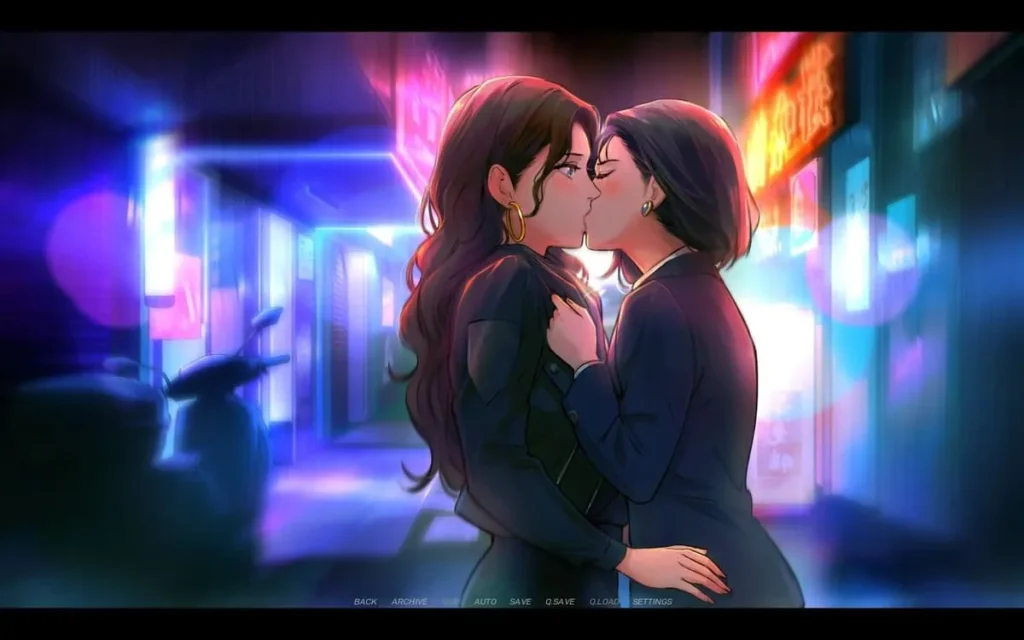
“I wasn’t prepared for the rainy kiss scene. I had to put my controller down for a moment. It wasn’t just romantic; it felt like a release of every unspoken word and hidden feeling from the entire summer. It’s a moment of pure, earned catharsis.” – A player’s reflection.
What truly makes them resonate is how the game handles conflict. The tension isn’t just external homophobia or family drama (though those are present and handled with care); it’s internal. It’s Michelle’s struggle between her duty and her desire, and Sam’s patience and vulnerability. Their conversations feel distinctly East Asian—full of what is left unsaid, of meanings carried in pauses and indirectness. This oblique style makes every moment of direct emotional honesty incredibly powerful.
How Does the 1986 Hong Kong Setting Come Alive?
The 1986 Hong Kong settings are not just a backdrop; they are a central character. 🎞️✨ This Hong Kong 1986 visual novel uses its period with breathtaking intention. We’re not in a generic city; we’re in a Hong Kong at a cultural crossroads, buzzing with economic energy and on the brink of a significant political transition.
The artists behind A Summer’s End Hong Kong 1986 have achieved something called “scenery porn” for a reason. Every location is a hand-painted love letter:
* The neon-drenched, crowded streets of Mong Kok, alive with the buzz of night markets and traffic.
* The serene, sweeping seascapes of Sai Kung, offering a breath of fresh air and a space for reflection.
* The sleek, sometimes cold interiors of office towers and luxury hotels, representing the new, modern Hong Kong.
* The cozy, lived-in feel of a local cha chaan teng (tea restaurant), where much of the story’s intimate dialogue unfolds.
This attention to detail does more than create a pretty picture. It immerses you in the era. You can almost hear the city pop from a passing car radio, feel the humid summer air, and sense the collective anxiety and hope of a city whose future is uncertain. The setting directly influences the story’s themes—Michelle’s personal search for meaning mirrors Hong Kong’s own search for identity. Exploring these 1986 Hong Kong settings is a key part of the narrative pleasure.
What Unique Features Elevate the Visual Novel Experience?
A Summer’s End Hong Kong 1986 stands out because it beautifully marries a compelling story with thoughtful interactive design. It’s more than a slideshow; it’s an experience you subtly shape.
- Interactive Dialogue & Point System: Your choices in conversation matter. A clever, hidden point system tracks your interactions with Sam. Choosing open, supportive, or flirtatious dialogue options earns points that unlock crucial bonus scenes. These scenes aren’t just filler; they are essential windows into Sam’s past and feelings, deepening the emotional connection and directly influencing the game’s conclusion.
- Hand-Drawn Artistic Vision: With over 400 original assets, the art style is a direct homage to 80s anime and manga. The character designs, the fashion, the muted yet warm color palette—everything works together to sell the period authenticity. It’s like playing through a lost anime film from the era.
- A Legendary Soundtrack: The audio experience is half the magic. Featuring artists like Timecop1983, the soundtrack is a perfect blend of smooth synthwave, vaporwave, and city pop. It sets the mood for every scene, from melancholic reflection to budding romance, making the 1986 Hong Kong settings feel even more alive.
- Meaningful Endings: The path leads to one of two primary visual novel endings. The “true” romantic ending, culminating in that iconic rainy kiss, feels like a hard-won reward for emotional vulnerability. The other ending offers a more bittersweet, realistic conclusion if a deeper connection isn’t forged. This structure gives weight to your role in the story.
| Feature | Impact on Experience |
|---|---|
| Interactive Dialogue | Creates agency and makes the player an active participant in building the relationship. |
| Point-Based Bonus Scenes | Rewards attentive, empathetic play with deeper narrative layers and crucial character development. |
| Hand-Drawn 80s Aesthetic | Fully immerses the player in the period, making the visual storytelling as important as the text. |
| Synthwave/City Pop Soundtrack | Elevates the emotional tone and cements the nostalgic, stylish atmosphere. |
| Dual Ending Structure | Provides narrative consequence, making the journey feel personal and impactful. |
My personal playthrough was filled with these small, impactful moments. I remember one evening, in-game, choosing to confide in Sam about a work frustration instead of brushing it off. The scene that unlocked later—a quiet conversation on her apartment rooftop at dusk—didn’t advance the plot in a major way, but it fundamentally changed how I understood her patience and Michelle’s growing trust. It made the final act of the A Summer’s End story summary not just about two people getting together, but about two people truly seeing each other for the first time.
For those seeking the fullest emotional payoff, I highly recommend the official adult patch. It’s not gratuitous; it integrates intimate scenes that are tender, consensual, and beautifully animated. These moments serve as the physical culmination of the emotional intimacy you’ve built, and they add a layer of raw vulnerability that makes the Michelle and Sam romance feel complete and profoundly real.
Actionable Advice for Your Playthrough:
To truly savor A Summer’s End Hong Kong 1986, enable the adult patch from the start for a more nuanced and complete narrative journey. Take your time with the dialogue—be present, be kind, and be curious about Sam to collect those all-important points and unlock every beautiful, story-enriching scene.
In the end, A Summer’s End – Hong Kong, 1986 is unforgettable because it balances its elements with grace. It juggles a sweet, heartfelt romance with authentic cultural tension, wraps it in stunning audiovisual nostalgia, and gives you, the player, a gentle hand in steering its course. It’s a summer you visit, but the feelings it evokes—of longing, love, and finding yourself—linger long after the season ends.
A Summer’s End – Hong Kong, 1986 stands out as a poignant visual novel that weaves romance, cultural depth, and stunning 80s aesthetics into an unforgettable experience. From Michelle and Sam’s tender journey through neon streets and family tensions to the choice-driven endings and optional intimate moments, it invites you to reflect on love in uncertain times. I still replay it for those heartfelt dialogues and vaporwave vibes. Dive in today—grab the game, activate the patch if it suits you, and let this summer’s end linger in your heart. What’s your take on their story? Share in the comments.