A Failure to Launch
Play A Failure to Launch
A Failure to Launch Screenshots









A Failure to Launch review
Explore gameplay mechanics, features, and player experiences in this adult indie title
A Failure to Launch is an indie adult game that has garnered attention within niche gaming communities for its unique blend of narrative-driven gameplay and adult content. This comprehensive guide explores what makes this title distinctive, from its core mechanics to player reception. Whether you’re curious about the game’s design philosophy, interested in understanding its features, or seeking honest player perspectives, this article provides an in-depth look at what the game offers. Understanding the game’s strengths and limitations can help potential players decide if it aligns with their interests.
Understanding A Failure to Launch: Game Overview & Core Mechanics
Ever downloaded a game expecting one thing and getting completely, wonderfully surprised by another? 🤔 That was my exact experience with A Failure to Launch. I went in thinking I understood the “adult indie” label, but what I found was a shockingly deep, thoughtful, and genuinely funny interactive story about modern life, anxiety, and connection. It’s less about gratuitous scenes and more about the awkward, relatable journey of a young adult trying to figure it all out. If you’re tired of shallow click-fests and crave a narrative that actually respects your intelligence, you’re in the right place. Let’s dive in.
This interactive narrative game stands out because it wraps its mature themes in a layer of authentic human experience. The adult game design here isn’t just a tag; it’s integral to exploring the protagonist’s vulnerabilities, desires, and stumbling path toward personal growth. It’s a game that makes you think, laugh, and occasionally cringe in self-recognition. 🫣
What Is A Failure to Launch and How Does It Play?
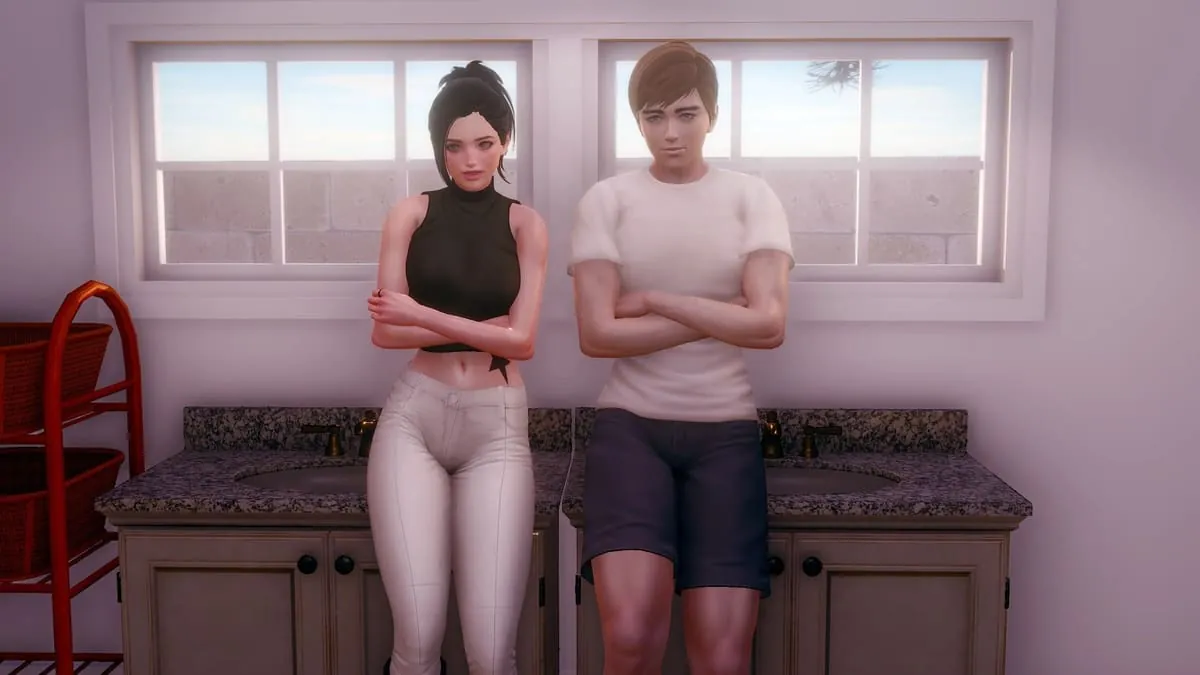
At its heart, A Failure to Launch is a visual novel and life-sim hybrid. You step into the worn-out shoes of Alex, a recent graduate moving back in with their parent, grappling with career uncertainty, social anxiety, and the daunting task of rebuilding a life from the couch up. The core premise is painfully relatable: how do you become a functioning adult when every step forward feels like a potential minefield?
The primary gameplay loop is a delicate dance of time and energy management. Each in-game day, you have a precious pool of Social Energy to spend. Will you use it to scroll job listings, muster the courage to text an old friend, clean your depressingly messy room, or just nap and watch streams? Every choice carries weight, influencing your stats, relationships, and the narrative branches available to you.
My First Session Tip: I made the classic mistake of trying to do everything at once. I burned all my Social Energy by noon trying to be a productivity guru and was left a miserable, drained husk by dinner. The game cleverly teaches you that balance and self-care aren’t optional—they’re the core mechanics.
Here’s a quick breakdown of the key features that define this experience:
- Stat-Based Progression: Your character isn’t just defined by story flags. Visible stats like Confidence, Motivation, Hygiene, and Skills directly gate your options and success in interactions.
- The Social Energy System: This isn’t a typical stamina bar. It’s a brilliant representation of mental spoons. Certain actions (like facing a fear) drain it heavily, while others (like a calming hobby) can slowly replenish it.
- A Dynamic Relationship Web: Every character has their own schedule, mood, and relationship meter. Missing a meet-up or choosing a dismissive dialogue option has tangible, sometimes delayed, consequences.
- Choice-Driven Narrative: The story branches significantly based on your daily decisions, both big and small. There’s no single “right” path, only the path you create through your priorities.
- Mature, Integrated Themes: The indie adult game features are woven into the narrative as part of Alex’s exploration of intimacy, self-image, and desire, rather than being standalone scenes.
Understanding these A Failure to Launch gameplay mechanics is crucial because they’re not arbitrary; they’re a direct simulation of the protagonist’s internal state. The game makes you feel the struggle of executive dysfunction when your Motivation is low, or the sweaty-palmed panic of a social event when your Confidence is in the gutter.
Core Gameplay Systems and Progression
Let’s peel back the layers on what makes this game tick. The genius of A Failure to Launch lies in how all its systems interconnect, creating a truly cohesive game progression system that mirrors personal growth.
The Pillars of Progress: Stats and Skills
Your character sheet is your lifeline. Improving your Confidence might unlock bold dialogue choices during a date. Leveling up a Skill like Cooking could open a part-time job opportunity or a way to impress someone. Let’s break down how they interact:
| Core Stat | Primary Influence | Example Gameplay Impact |
|---|---|---|
| Confidence | Social & Risky Actions | Unlocks flirty dialogue, allows you to ask for a raise, reduces Social Energy cost for intimidating tasks. |
| Motivation | Productivity & Chores | Reduces time/energy cost for cleaning or job hunting. If too low, you may skip planned tasks automatically. |
| Hygiene | First Impressions & Health | Affects how characters initially react to you. Very low Hygiene can cause minor health events, wasting time. |
| Skill (e.g., Coding, Writing) | Career & Creative Paths | Unlocks specific job branches, allows you to solve problems for friends, creates alternative income streams. |
The Nerve-Wracking Beauty of Social Energy ⚡
This is the master mechanic. Early in my playthrough, I saw a story event requiring me to “Attend a Loud Party.” My Confidence was okay, but my Social Energy was at 20%. I went anyway. The game didn’t just show a failure screen; it played out a scene where Alex had a quiet panic attack in the bathroom and left early, which later affected how that friend group perceived me. The system enforces authenticity—you can’t power through social burnout without consequences.
A Failure to Launch Gameplay Mechanics in Action: A Session Walkthrough
Let me show you how this all comes together with an example from my second playthrough, where I focused on a creative path.
- Morning (9:00 AM): I start the day with low Motivation. Instead of forcing a job application (which would cost high Energy and likely fail), I choose “Make a Simple Breakfast.” This small, successful task gives a tiny Motivation boost.
- Afternoon (1:00 PM): My Energy is fuller. I use it on “Work on Portfolio,” which boosts my Writing skill. A notification pops up: “Your consistent practice has been noticed.” This is the game’s progression system working in the background, setting up future opportunities.
- Evening (7:00 PM): I have a planned chat with Riley, a friend. My Confidence stat is now high enough that a new dialogue option appears: “Joke about your last failed date.” Choosing it makes Riley laugh hard, significantly boosting our relationship meter. This strengthens my support network, which I know from my first playthrough can provide crucial benefits later.
- Night (10:00 PM): Energy is depleted. I select “Watch a Movie,” a low-energy activity that gives a chance for a random +1 to Creativity. The day ends, the calendar advances, and new events populate the schedule based on my actions.
This interactive narrative game structure means you’re constantly evaluating cost versus benefit, short-term gratification versus long-term goals. It turns everyday life into a compelling strategic puzzle. 🧩
Visual Design and Presentation Elements
Don’t let the “indie” tag fool you into thinking this is a bare-bones presentation. The visual and audio design of A Failure to Launch is a masterclass in supporting theme and gameplay mechanics through style and interface.
Art Direction: Relatable, Expressive, and Intentional
The game uses a polished 2D art style that walks a perfect line between being detailed enough to be expressive and stylized enough to leave room for your imagination. Character sprites are wonderfully animated with small fidgets, slumped postures, or genuine smiles that sell their emotional states. When Alex is anxious, the lines around them might subtly tremble; when they’re confident, their posture straightens.
The environments tell their own story. The childhood bedroom is cluttered with nostalgic relics and new, depressing piles of laundry. As you progress and improve your life, you can literally see the changes—a cleaner desk, posters going up, better lighting. This visual feedback is a powerful, rewarding part of the game progression system.
User Interface: Your Personal Organizer 📱
The UI is designed to look like the apps on a modern phone or desktop. Your calendar, stats, relationship tracker, and to-do list all feel like diegetic tools Alex is using. This isn’t just a cool aesthetic choice; it reduces the friction between you and the game world. Clicking the “JobFinder” tab feels different, more immersive, than clicking a generic “Career” menu.
- The Mood Meter: A subtle but brilliant feature. A small, color-coded border on the screen reflects Alex’s overall mental state (calm blue, anxious yellow, depressed grey). It’s a constant, non-intrusive reminder of your character’s headspace.
- Music and Sound: The soundtrack is a mix of lo-fi beats for relaxed moments and more tense, minimalist tracks for stressful situations. Sound effects are key—the ping of a positive text message is uplifting, the deafening silence after a awkward dialogue choice is crushing.
Presenting Adult Content with Purpose
This is where the adult game design philosophy truly shines. Mature scenes are presented with the same narrative weight and artistic consistency as any other story beat. They are unlocked through genuine relationship building and character-specific triggers, not just arbitrary point accumulation. The focus is often on emotion, vulnerability, and character development rather than sheer explicitness. The game uses clever framing, lighting, and fade-outs, treating these moments as integral parts of the characters’ journeys. This respectful and narrative-driven approach is what sets its indie adult game features apart from the crowd.
In my A Failure to Launch review of the overall experience, the presentation isn’t just a wrapper—it’s the delivery mechanism for every emotional punch and moment of triumph. It makes the struggle feel real, the setbacks tangible, and the hard-won victories incredibly sweet. The care put into every pixel and interaction confirms that this is more than a game; it’s a thoughtfully crafted story about the messy process of growing up, and it invites you to find your own path through the chaos. 🌱
A Failure to Launch represents a distinctive entry in the indie adult gaming landscape, offering players a unique combination of narrative elements and interactive gameplay. The game has cultivated a dedicated community that appreciates its creative approach, though it also faces legitimate criticisms regarding technical implementation and balance. For players interested in adult-oriented indie games with meaningful gameplay systems, A Failure to Launch provides an experience worth exploring, particularly if you value developer engagement and community-driven development. Whether the game aligns with your preferences depends on your tolerance for its specific mechanics, content style, and current technical state. As the game continues to evolve through updates, staying informed about changes and community feedback can help you make an informed decision about whether to invest your time in this title.